

Week of May 18: 12,890-Year-Old Towers Found at Tell Qaramel, Natufian Art, and More
Excavations at Tell Qaramel have uncovered five round stone towers predating even Jericho's famous tower, with radiocarbon dating establishing they were built 12,890-10,870 years ago using a dual-wall construction technique.Archaeologists at Nahal Ein Gev II discovered a human face carved on a 12,000-year-old pebble alongside 351 decorated specimens and 100+ spindle whorls, pushing back the origins of textile technology by approximately 4,000 years.Research reveals that Aboriginal oral traditions at 21 locations accurately preserve memories of coastal inundation from 11,000-5,300 years ago, with stories of submerged landscapes confirmed by bathymetric data showing post-glacial sea level rise.
Excavations at Tell Qaramel have uncovered five round stone towers predating even Jericho’s famous tower, with radiocarbon dating establishing they were built 12,890-10,870 years ago using a dual-wall construction technique.Archaeologists at Nahal Ein Gev II discovered a human face carved on a 12,000-year-old pebble alongside 351 decorated specimens and 100+ spindle whorls, pushing back the origins of textile technology by approximately 4,000 years.Research reveals that Aboriginal oral traditions at 21 locations accurately preserve memories of coastal inundation from 11,000-5,300 years ago, with stories of submerged landscapes confirmed by bathymetric data showing post-glacial sea level rise.
New Excavations & Fieldwork
The excavations at Tell Qaramel have uncovered five round stone tower structures that rank among the oldest such structures in the world, predating even the celebrated tower at Jericho [1]. The most monumental of these towers measures 7.5m in diameter with walls 2.25m thick, constructed using unshaped stones up to 80cm in length [V1]. Builders employed a dual-wall technique, placing large unshaped stones on both outer and inner faces while filling the interior cavity with smaller stones set in red clay.
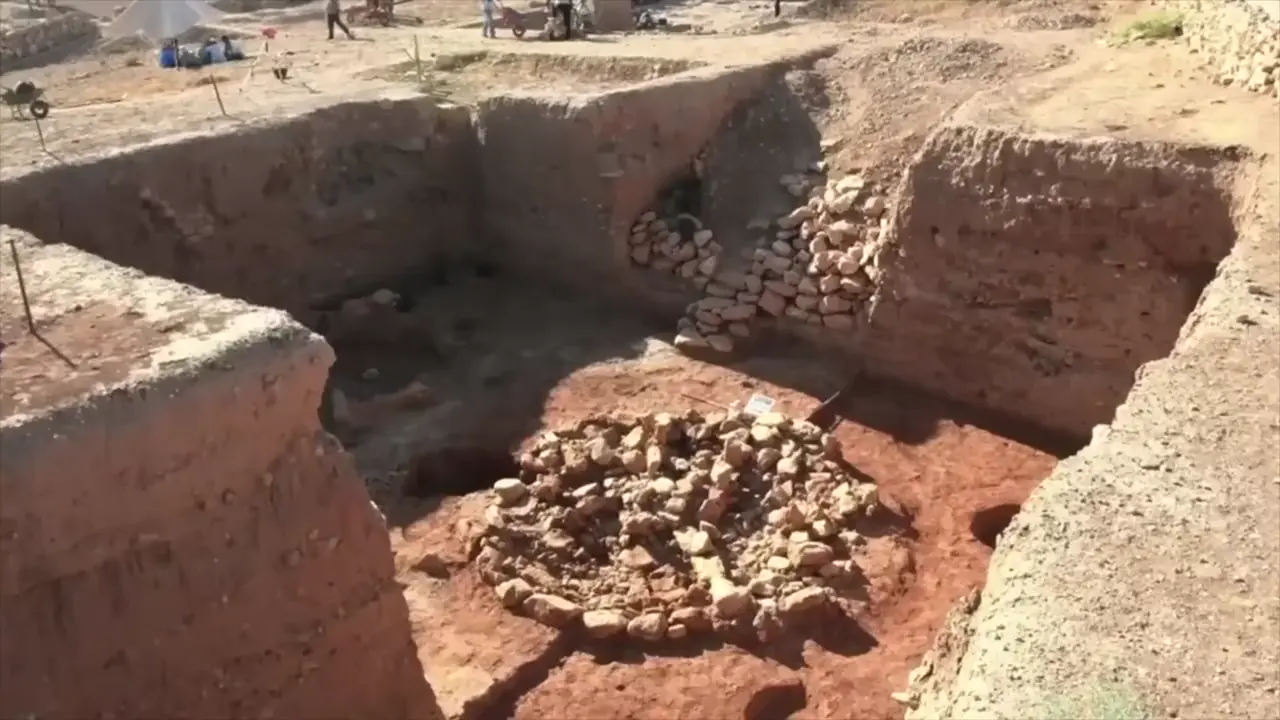
Radiocarbon analysis of 57 charcoal samples conducted at the GADAM Centre in Gliwice, Poland established the chronology of these structures [2] [1]. Three towers date to the H1 phase (12,890-11,670 years ago), the most monumental tower was built in the H2 phase (12,670-11,250 years ago), and a fourth tower was constructed in H3 atop the ruins of a large H2 structure [V1]. The most monumental tower suffered damage by fire in antiquity. Scholars have speculated that the towers may have served defensive purposes or functioned as part of a fortification line. Beyond their potential defensive role, these towers confirm that Neolithic culture emerged simultaneously across many regions of the Near East, fostering farming societies that established permanent settlements with mud and stone architecture.
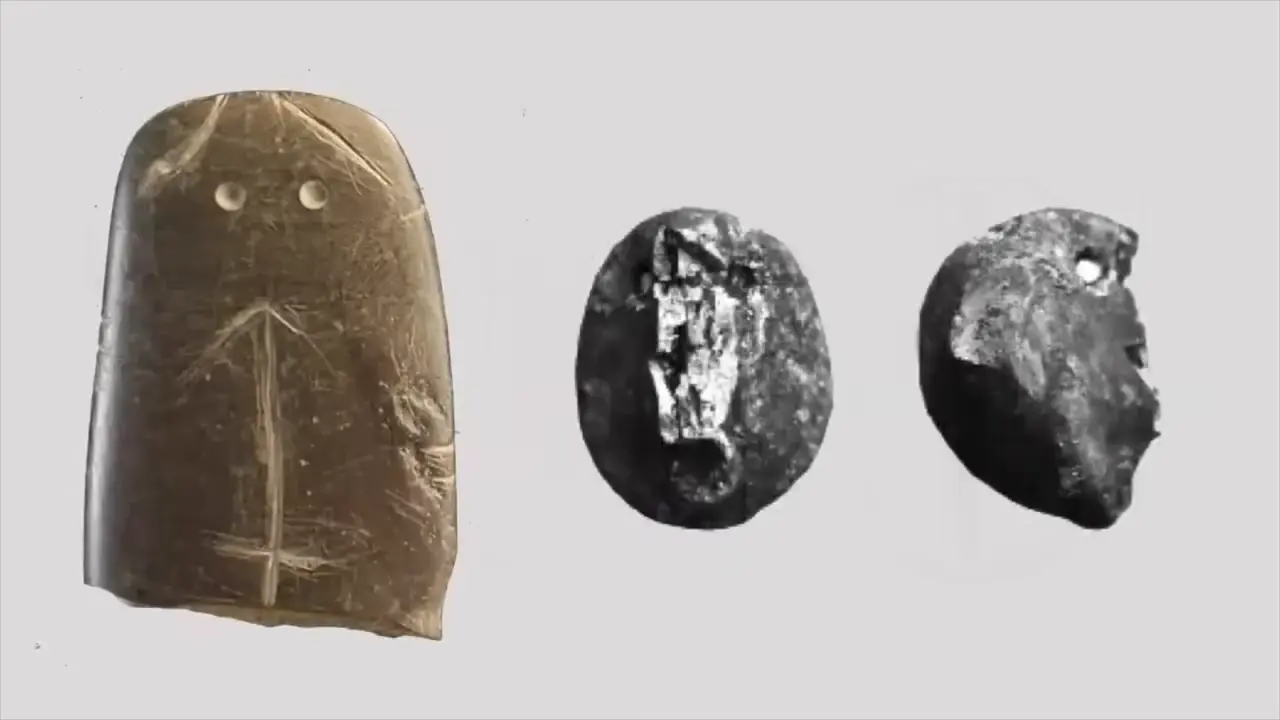
The discovery of a human face carved on a pebble at Nahal Ein Gev II approximately 12,000 years ago represents one of the rarest artistic expressions from the Natufian period, providing exceptional insight into ancient human representation conventions [4]. This remarkable find occurs within an extraordinarily rich artistic context: archaeologists have recovered over 20 intact and broken pieces of art at the site, including engraved bone items, jewelry, and a 12,000-year-old figurine depicting human-animal interaction [V2]. The artistic sophistication extends to technological achievements, with high-quality lime plaster discovered in quantities and quality that actually exceed later Pre-Pottery Neolithic examples, alongside exquisite bead production using disc and cylindrical shapes fashioned from seashells and local rock. Nahal Ein Gev II demonstrates that the Natufian culture marked a transformative threshold in artistic manifestations across the southern Levant, representing the first period characterized by large cemeteries and diverse symbolic expressions [5].
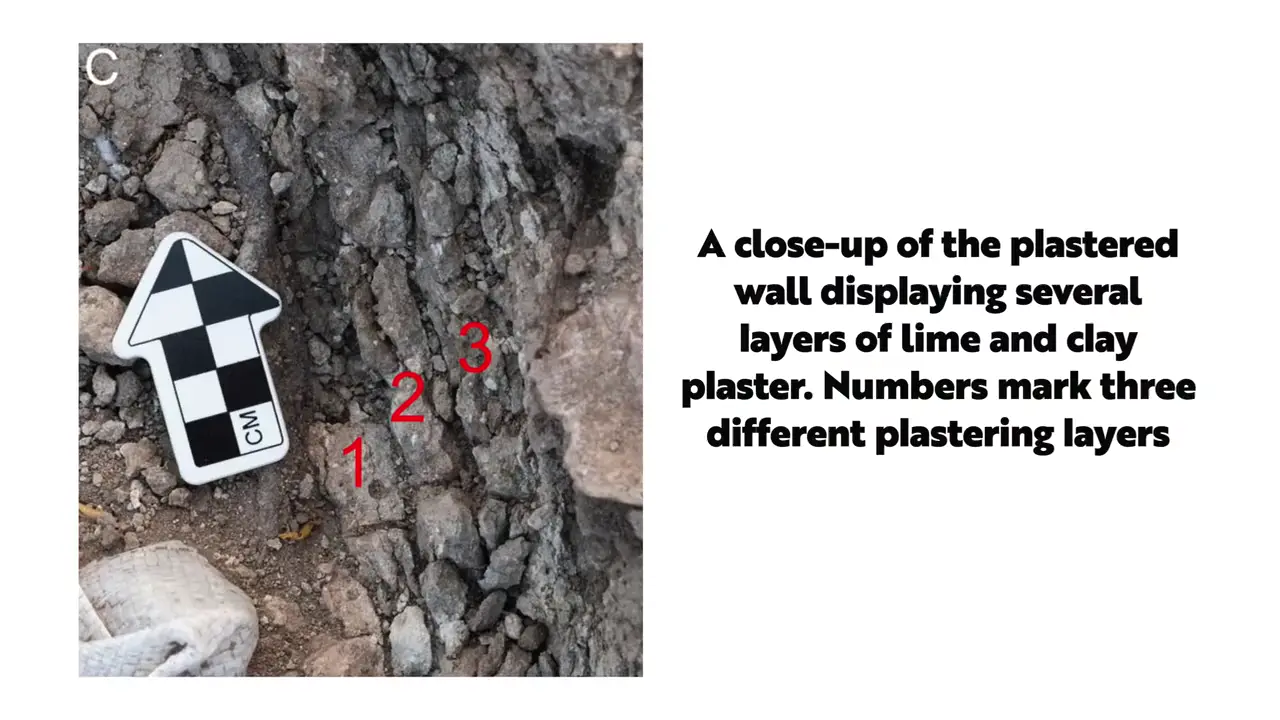
The site’s burial practices reveal equally sophisticated ritualized behavior, with human interments positioned inside the settlement beneath buildings, accompanied by deliberate practices involving wall dismantling and rebuilding around burials [V2]. A particularly poignant example involves a young woman buried in a pit covered with lime plaster, with three additional bodies subsequently placed on top, suggesting layered, communal mortuary customs. The settlement also features a large and complex cemetery with stone buildings and unique facilities, indicating organized ceremonial infrastructure [3].
Artifact Discoveries
Tell Qaramel, occupied continuously for approximately 2,000 years between 12,890 and 10,870 years ago during the Younger Dryas period [V3] [V5], has yielded an exceptionally rich assemblage of 351 decorated specimens representing humans and animals, making it a unique site for the Pre-Pottery Neolithic [V4]. The decorated assemblage also includes richly decorated shaft straighteners featuring geometrical, zoomorphic, and anthropomorphic patterns, apparently used to stretch wooden arrow shafts. Tell Qaramel represents one of the oldest Pre-Pottery Neolithic A settlements, predating even Jericho’s famous tower.
Architecture & Monuments
The ancient Maya bridge at Yaxchilan, spanning approximately 100 meters across the Usumacinta River in what is now Chiapas, Mexico, would have been the longest bridge in the ancient world until the Italian Trezzo sull’Adda Bridge of 1377 CE [V6]. Only remains visible today are large piles of stones on each side of the river, with no standing superstructure surviving. The bridge has been identified as a suspension bridge based on archaeological interpretation. The structure was aligned exactly in the direction of Structure 33, suggesting deliberate urban planning at Yaxchilan. The bridge was constructed to address seasonal fluctuations in river levels that effectively isolated the settlement during high water periods, providing essential year-round access to agricultural farmlands and trade connections that would otherwise be unavailable.

In Brief
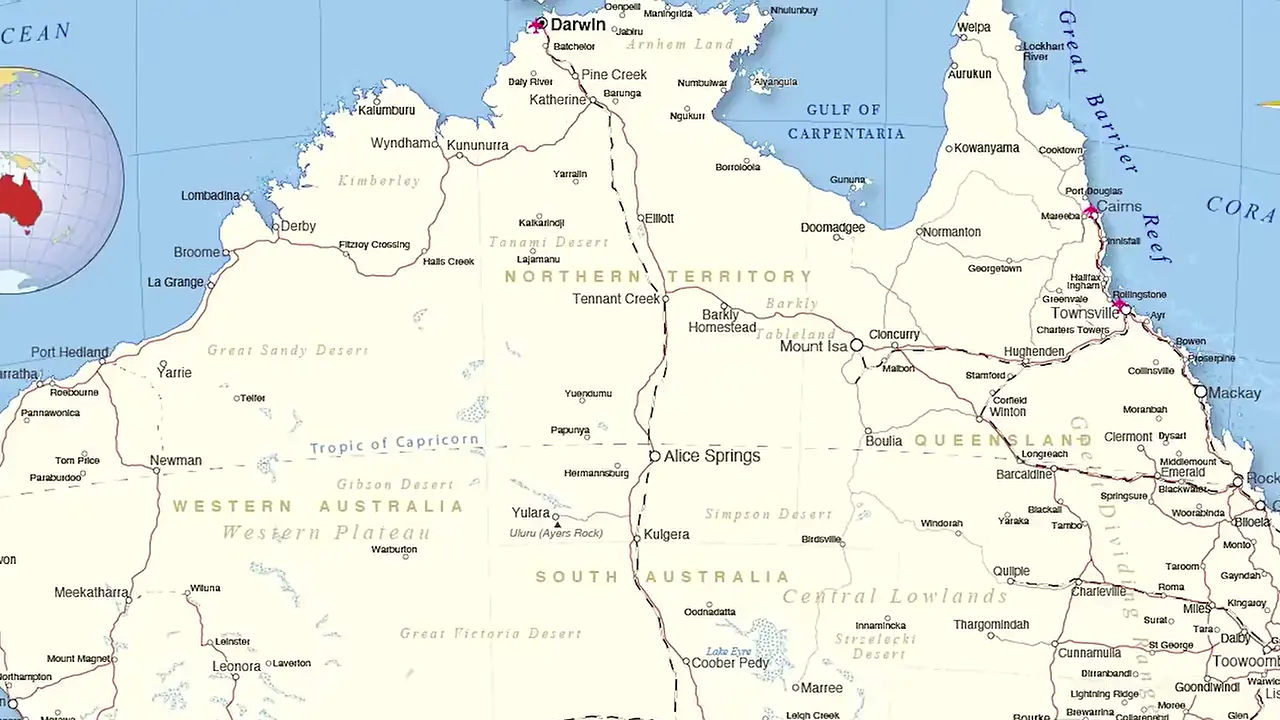
Patrick Nunn and Nicholas Reed’s research published in the Australian Geographer has revealed remarkable alignments between Aboriginal oral traditions and geological evidence of coastal inundation across 21 locations, including Kangaroo Island, where oral histories preserve memories of when the island was cut off from the mainland [V8] [6]. These stories describe walking to islands now kilometers offshore and forests under the sea, accurately depicting landmasses that have been invisible since the early Neolithic [7]. Scientists have matched these narratives to bathymetric data representing submerged landscapes, confirming that Aboriginal stories dating to approximately 11,000-5,300 years ago correspond precisely to the post-glacial sea level rise that occurred when massive glaciers melted, raising sea levels by roughly 120 meters. Meanwhile, the Gunditjmara people’s Budj Bim story represents over 1,200 generations of transmission, demonstrating that Aboriginal oral traditions can preserve geological memory over extraordinary timescales [V7].
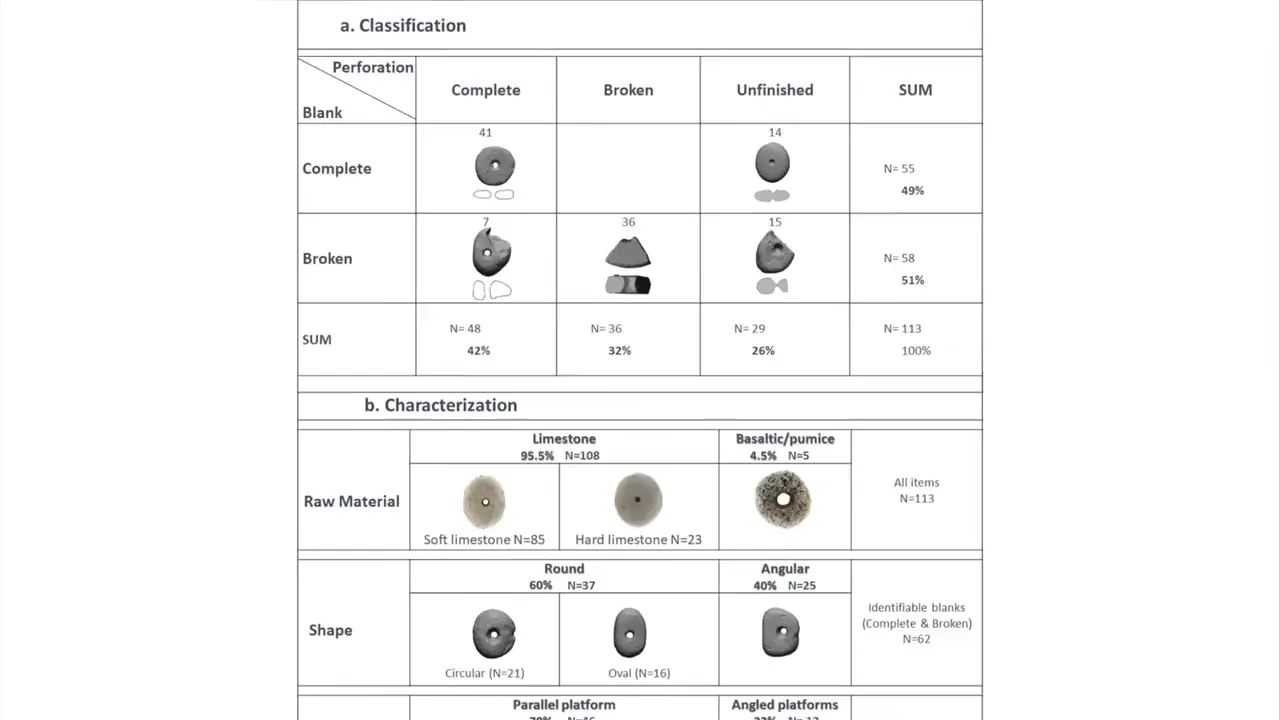
Over 100 perforated stone spindle whorls unearthed at Nahal Ein Gev II, a Late Natufian site in Israel, have been dated between 12,550 to 12,000 calibrated years before present, pushing back the origins of textile technology by approximately 4,000 years [V9]. In 2024, Hebrew University researchers published a peer-reviewed study analyzing these wheel-shaped artifacts using 3D methodologies, concluding they served as spindle whorls designed to spin fibers into yarn. Wikipedia identifies these as potentially the oldest spindle whorls found to date [8]. Beyond their immediate textile applications, these artifacts represent early phases of rotational technologies that established the mechanical principle of the wheel and axle, predating Bronze Age cart wheels by thousands of years [9]. The popular media has described these discoveries as “the first examples of wheel technology in human history,” but academic sources handle this claim more conservatively, characterizing the finds as “early phases of rotational technologies” that laid groundwork for later wheel-based inventions. This distinction highlights how the public narrative around these findings differs from scholarly interpretation, which situates the spindle whorls within a longer evolutionary trajectory of rotational mechanics rather than as direct precursors to transportation wheels.
The Great Pyramid of Giza originally possessed smooth white casing stones quarried from Tura that have largely been removed over time, leaving only fragments visible today. Petrographic examination has confirmed these casing stones were made from natural limestone sourced at Tura [12] [10] [V11]. The outer surfaces were designed to be smooth, with angled front faces forming the pyramid surface in a triangular cross-section [V10] [11]. Only one complete casing stone from the Great Pyramid’s upper levels has been documented for study outside Egypt—the Edinburgh Casing Stone—making direct examination of this material extremely limited.
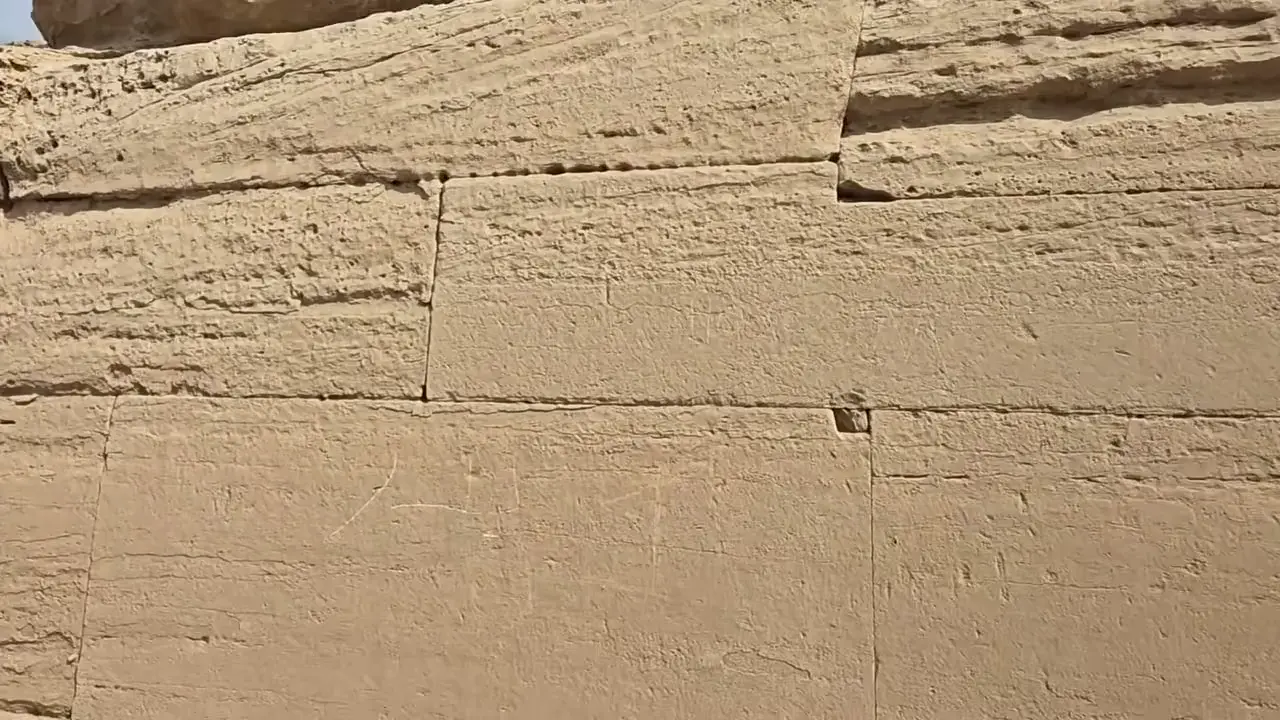
Beyond the pyramids themselves, single-stone monolith construction is documented throughout Giza, with the West Cemetery containing tombs carved directly into bedrock that feature large monolithic pillars constructed using step-by-step methods [V11]. Engineering precision is evident in single-rock monoliths at multiple Giza locations, characterized by straight seam alignment and slanted-angle engineering [V10]. The scale of stone construction at Giza is staggering—the Great Pyramid consists of approximately 2.3 million stone blocks averaging 2.5 to 15 tons each.
The discovery of extreme climate changes in the Camp Century ice cores was entirely serendipitous. When the US Army Corps of Engineers drilled ice cores to nearly 1,390 meters depth while constructing a secret subglacial nuclear missile base in Greenland during the Cold War, they provided the material to scientist Willi Dansgaard for analysis—and he uncovered a climatic treasure trove [V12]. Oxygen isotope analysis revealed three distinct climate oscillation periodicities of approximately 120 years, 940 years, and 13,000 years, providing the first deep ice core record extending back nearly 100,000 years. The Camp Century time scale was verified to at least 70,000 years using flow modeling and comparison with other climatic estimation methods, and alignment of oxygen isotope and particulate concentration records between Devon Island and Camp Century extended the record to approximately 120,000 years.
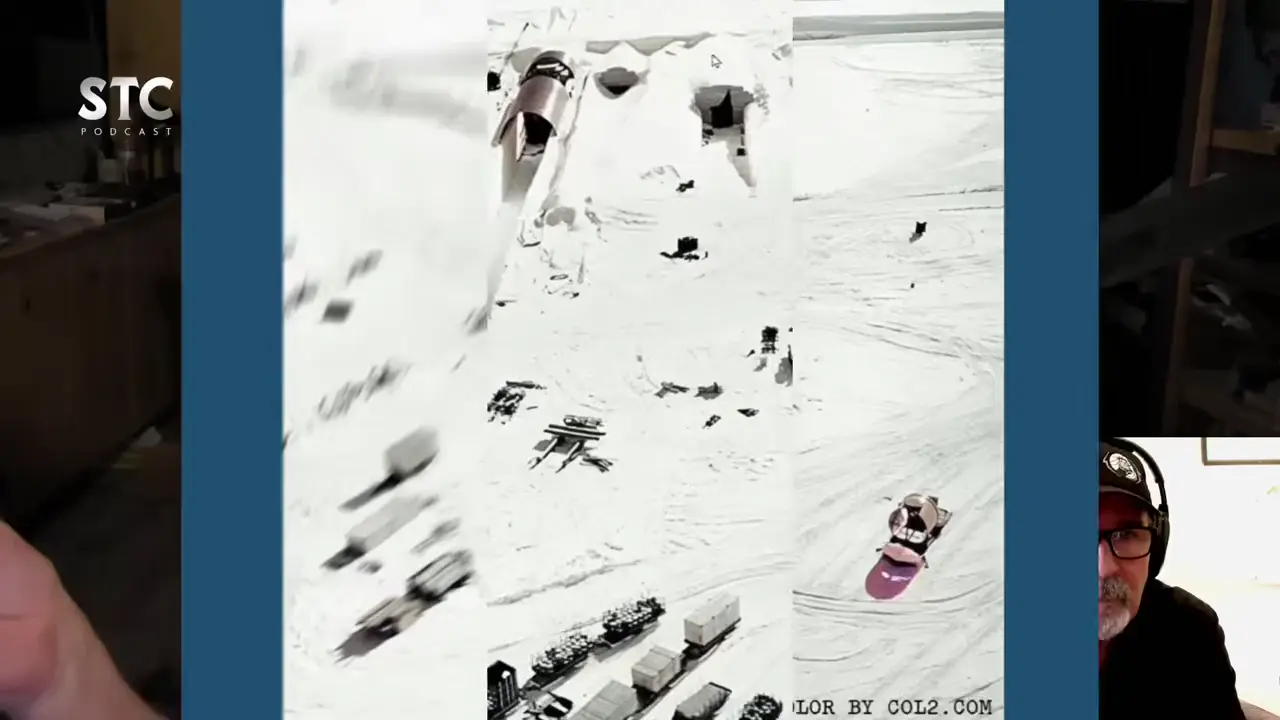
Beneath approximately 1.4 kilometers of ice, sediment containing well-preserved fossil plants and biomolecules provided evidence of at least two ice-free warm periods during the past few million years [13]. Cosmogenic isotope ratios in Camp Century sediment closely matched those in bedrock near the center of Greenland, confirming the Greenland Ice Sheet melted and reformed at least once during the past million years. Enriched stable isotopes in pore ice indicated precipitation at lower elevations than present, further implying ice-sheet absence during past warm periods.
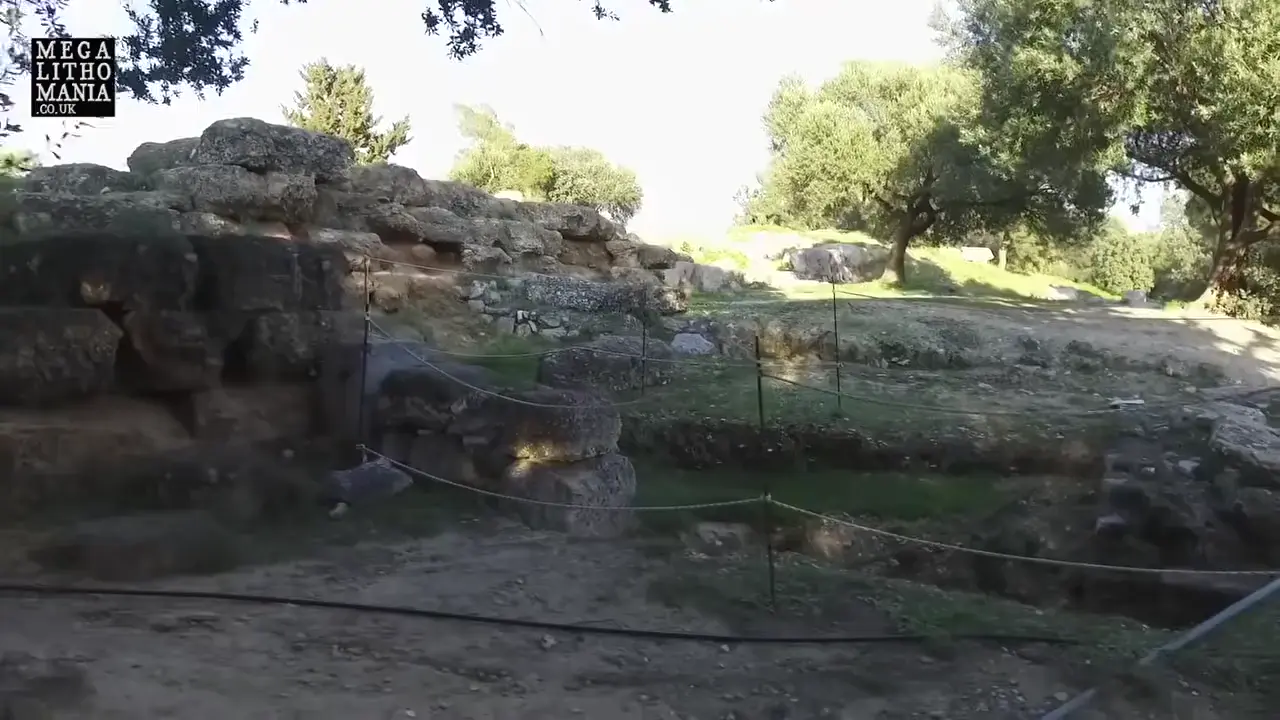
The Pnyx Diateichisma, a massive fortification wall crowning Athens’ Pnyx Hill, is officially dated to the 4th century BC, approximately 338 BC, following the Battle of Chaeronea [V13]. However, no direct scientific dating—no radiocarbon analysis, thermoluminescence testing, or stratigraphic study—has been conducted or reported for the Pnyx Diateichisma itself [V14]. An alternative dating hypothesis proposing the wall is much older rests entirely on analogy to the Hellinikon Pyramid near Argos, which has reportedly yielded dates around 2720 BC, though this comparison is not based on direct analysis of the Pnyx wall. Adding to the uncertainty, the wall’s distinctive “puffy” polygonal construction style, featuring limestone blocks exceeding 60 tons, is considered unusual for 4th-century Greek architecture and more commonly associated with megalithic traditions at sites including Baalbek, Byblos, and Cuzco. Without direct scientific testing, the question of whether the Diateichisma dates to the classical period or represents an older structural tradition remains unresolved.
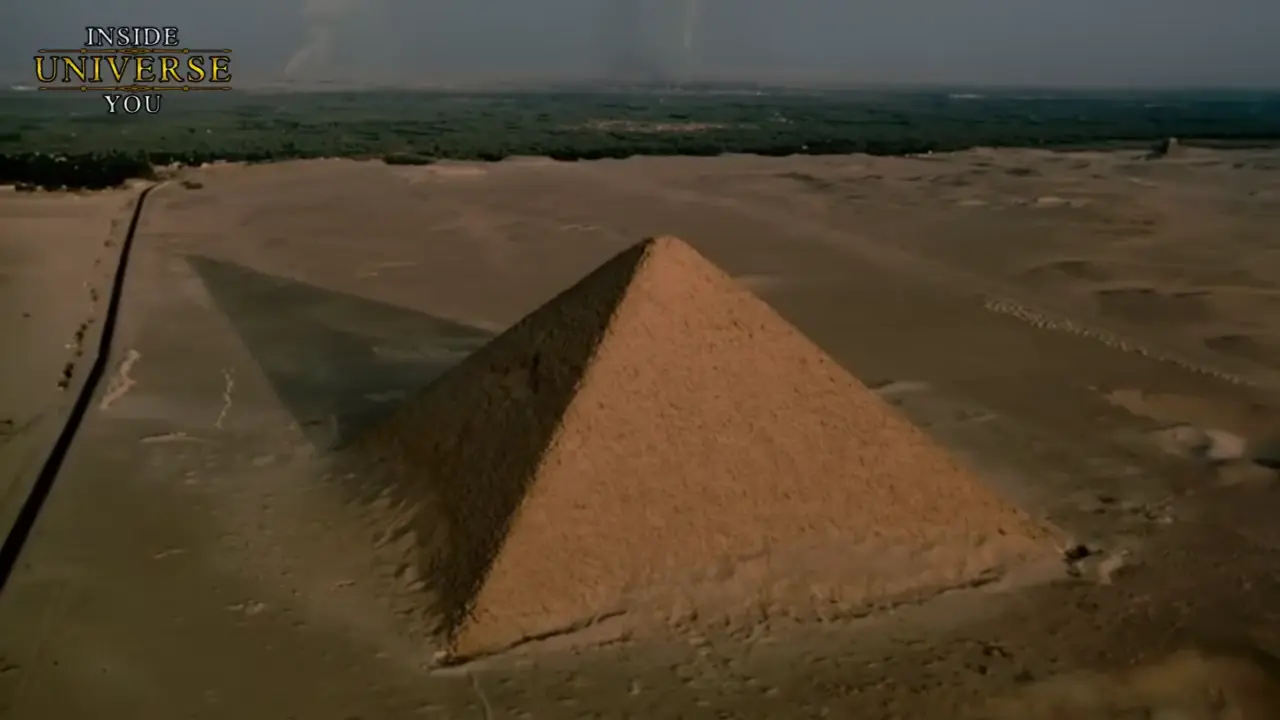
The Red Pyramid at Dashur was constructed as the burial monument for Pharaoh Sneferu during the Fourth Dynasty, representing his third and final pyramid project within a single reign [V15]. The site presents an unusual archaeological profile: its three internal chambers contain no inscriptions, hieroglyphs, decorative reliefs, mummy, sarcophagus, or treasure [V16]. The third (lowest) chamber shows evidence of tomb robbery, with blackened walls, gouged floors, and disturbed ground. Nineteenth-century explorers recorded an overpowering ammonia smell in the chambers, later attributed to accumulated bat guano, earning the pyramid the local nickname “Bat Pyramid.”
An alternative theory proposes the Red Pyramid functioned as a giant limestone kiln producing ammonia or niter through industrial chemical processes [V15]. However, this interpretation originates from alternative history documentary sources rather than peer-reviewed Egyptological or geological literature. Heat-scarred stones and cone-shaped floor excavations cited as supporting evidence by alternative theorists remain undocumented with measurements, analysis, or archaeological validation in any provided source.
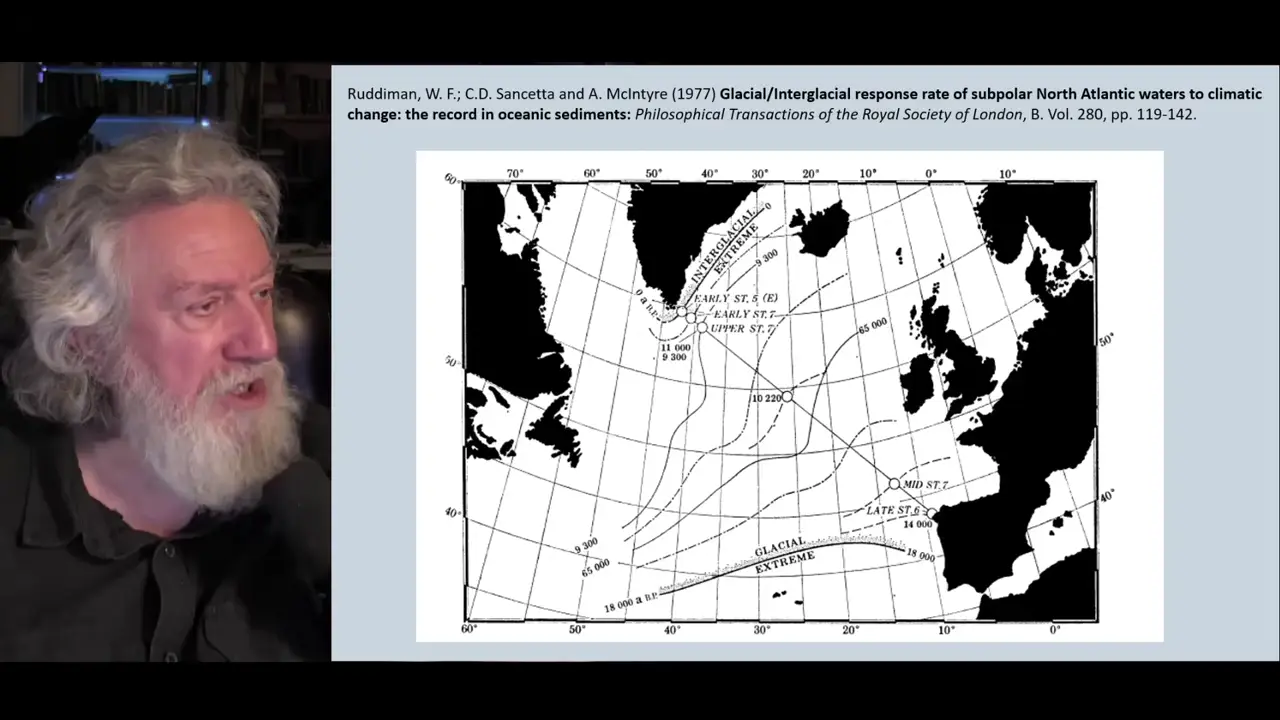
The polar front, the boundary between polar and tropical air masses, underwent an extraordinary migration over the past 125,000 years. By the Late Glacial Maximum around 18,000 years ago, the polar front had shifted dramatically southward to off the coast of Portugal, representing one of the most significant climatic boundary migrations in the recent geological record [V17]. During the intermediate Younger Dryas cold period (approximately 12,900-11,700 years ago), the polar front occupied a position intermediate between the extremes observed during the Eemian and Late Glacial Maximum. Research indicates that the Eemian featured a steeper sea surface temperature gradient between arctic and sub-Arctic regions compared to the Holocene, and that early and late Eemian cooling events can be linked to disturbances in North Atlantic Ocean circulation.
The Merry Maidens stone circle on the Cornwall coast comprises precisely 19 stones, a number that researchers interpret as representing the nearest whole number to the 18.6-year lunar standstill cycle, when the moon reaches its maximum and minimum positions in the sky [V18]. The number 19 also corresponds to the Metonic cycle, where the sun and moon return to the same relative positions after 19 years. The placement of the nineteen stones is thought to follow the course that the moon takes across the night sky, suggesting a deliberate astronomical orientation to the monument.
This 19-stone pattern extends across West Penwith, where stone circles consistently feature this configuration [V18]. The Merry Maidens, along with Boscawen and other circles, all conform to this recurring astronomical design, indicating a systematic approach to monument construction across the region. The circles date to the late Neolithic-early Bronze Age, approximately 2500-1500 BC.
Kik (also spelled Kekip) Sacred Rock in southern Alberta represents one of North America’s most enigmatic ceremonial sites, first documented by Lehiro in 1882 among Blackfoot oral traditions describing it as a sacrificial stone linked to a morning star legend [V19]. Researcher Gordon Freeman estimates the site is over 5,000 years old, situated 26 kilometers north of a visible temple hill containing rock effigies of the Sun, crescent Moon, and a Star between them.

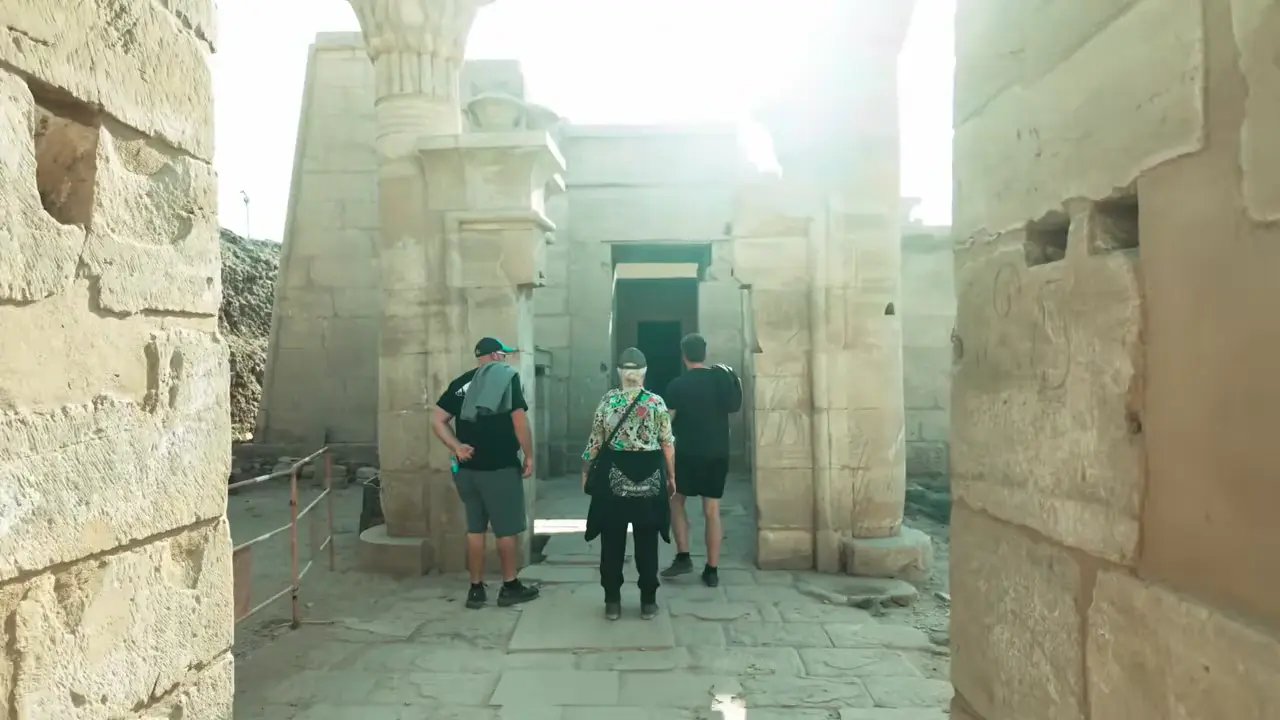
The Karnak Temple Complex covers approximately 200-247 acres along the Nile’s east bank in ancient Thebes, growing through continuous construction from roughly 2000 BCE through the Ptolemaic period — a building process spanning some three millennia [V20]. Within this vast sacred precinct, the Great Hypostyle Hall stands as one of antiquity’s most imposing architectural achievements, featuring 134 massive columns arranged in 16 rows: 122 columns rising to 10 metres and 12 central columns soaring to 21 metres, creating a forest of stone that supported a vanished roof [14]. Following Akhenaten’s death, his opponents destroyed Amarna and reused its stones at Karnak, reflecting the site’s continued political and religious significance long after its initial construction.
Regarding stone surface modifications, scholarly research at Karnak has documented pilgrim grooves and cupules at the Ptah Temple — circular depressions worn into stone surfaces through repeated human contact — which represent a well-studied phenomenon with peer-reviewed literature examining their occurrence in comparative contexts [15]. However, specialists explicitly characterize these features as distinct from cylindrical drilled holes featuring spiral striations, clarifying that the documented academic research does not address such drilled perforations.
Archaeologists have identified jade objects from the Liangzhu culture that may represent the earliest evidence of China’s enduring hair crown traditions. Discovered in elite male burials positioned beneath the skull, these horse hoof-shaped jades predate the Shang dynasty by approximately 2,000 years [V21]. The Shang dynasty, which spanned roughly 1600–1050 BCE along the Yellow River valley, represented the culmination of approximately two millennia of jade carving tradition [16]. These Neolithic artifacts may constitute the origin point of one of ancient China’s most enduring cultural traditions, potentially reaching back to the dawn of Chinese civilization.
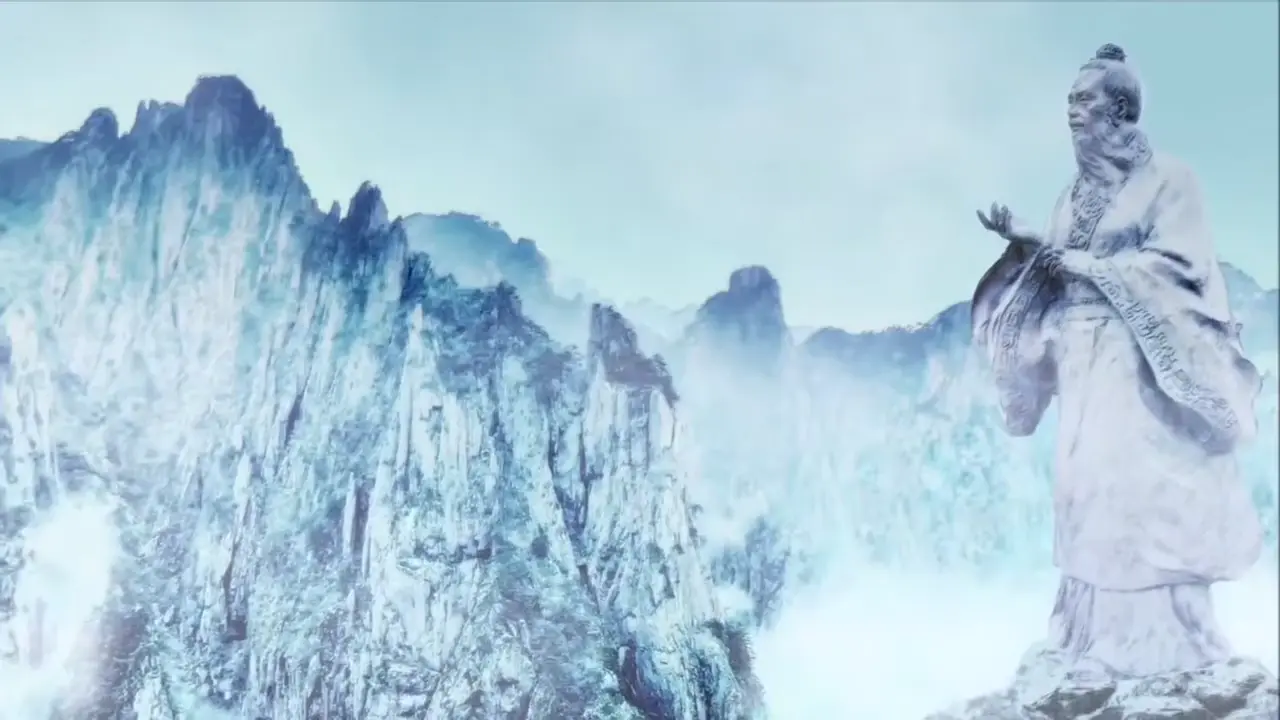
By around 1100 BC, the Guanli coming-of-age ceremony was documented in writing, in which young men aged 20 received their first formal hair crown called a guan [V21]. This ceremony, open to people of any social class though more formally observed among the wealthy, marked the transition to civic responsibilities and participation in government. However, the interpretation that these Liangzhu jades represent actual precursors to the Shang Guanli ceremony remains a suggestion rather than established archaeological consensus and requires further verification.
Sources
- Chronology of the Early Pre-Pottery Neolithic Settlement Tell Qaramel, Northern Syria, in the Light of Radiocarbon Dating
- Chronology of the Early Pre-Pottery Neolithic Settlement Tell …
- Nahal Ein Gev II - Wikipedia
- A human face carved on a pebble from the Late Natufian site of Nahal Ein Gev II
- stone ‘canvas’ and natufian art: an incised human figure from the …
- Australia - KaiserScience - WordPress.com
- Revealed: how Indigenous Australian storytelling accurately records …
- Nahal Ein Gev II - Wikipedia
- 12000-year old stones may be very early evidence of wheel-like …
- Evidence from detailed petrographic examinations of casing stones …
- The Edinburgh Casing Stone – A piece of Giza at the National …
- Great Pyramid of Giza - Wikipedia
- A multimillion-year-old record of Greenland vegetation and glacial history preserved in sediment beneath 1.4 km of ice at Camp Century
- Karnak - Wikipedia
- Examining the Grooves at the Ptah Temple, Karnak in Light of Comparanda
- Shang and Zhou Dynasties: The Bronze Age of China
Videos
V1. Ancient Architects — “12,890-Years-Old! YOUNGER DRYAS Settlement of Tell Qaramel | Ancient Architects” V2. Ancient Architects — “NEW | The 12,000-Year-Old Discovery That Re-Wrote History Books” V3. Ancient Architects — “12,890-Years-Old! YOUNGER DRYAS Settlement of Tell Qaramel | Ancient Architects” V4. Ancient Architects — “12,890-Years-Old! YOUNGER DRYAS Settlement of Tell Qaramel | Ancient Architects” V5. Ancient Architects — “12,890-Years-Old! YOUNGER DRYAS Settlement of Tell Qaramel | Ancient Architects” V6. World of Antiquity — “Exploring a Lost Maya City in the Jungle” V7. Michael Button — “Something Strange Is Hidden in Ancient Myths” V8. Michael Button — “Something Strange Is Hidden in Ancient Myths” V9. Ancient Architects — “NEW | The 12,000-Year-Old Discovery That Re-Wrote History Books” V10. Earth Explorer — “Sneaking Back Into the Pyramids of Giza Forbidden Zone. Then the Guards Showed Up Part 2” V11. Earth Explorer — “Sneaking Back Into the Pyramids of Giza Forbidden Zone. Then the Guards Showed Up Part 2” V12. The Randall Carlson — “CLEAR EVIDENCE How The Most Significant Climatic Disruption in Human History Shaped Our Modern World” V13. MegalithomaniaUK — “Who Built The Mysterious Megalithic Walls of Greece? | Megalithomania” V14. MegalithomaniaUK — “Who Built The Mysterious Megalithic Walls of Greece? | Megalithomania” V15. Universe Inside You — “Red Pyramid: Ancient Egyptian Chemical Reactor” V16. Universe Inside You — “Red Pyramid: Ancient Egyptian Chemical Reactor” V17. The Randall Carlson — “CLEAR EVIDENCE How The Most Significant Climatic Disruption in Human History Shaped Our Modern World” V18. MegalithomaniaUK — “Cheryl Straffon | Megalithic Mysteries of Cornwall | Megalithomania 2007 | AUDIO” V19. Institute for Natural Philosophy — “The Roundtable Chronicles - Ep. 21” V20. Wandering Wolf — “The Ultimate Egypt Journey: Pyramids, Tombs & Megaliths (Full Documentary)” V21. Curious Being — “What Were These 5,000-Year-Old Jade Tubes Really For?”
Keep exploring
Every site on this page sits on the globe, and the people who research them are on the Discord.
3D Globe · Sites by country · Story Archive · Research Library · Weekly Journal · Search