

Week of June 1: 59,000-Year-Old Neanderthal Dental Drilling, Easter Island Crops, and More
A lower second molar from Chagyrskaya Cave in Siberia shows Neanderthals performed deliberate dental drilling 59,000 years ago—the earliest evidence of such treatment in human history, predating previous examples by more than 40,000 years. Starch residue analysis of obsidian tools at Anakena on Rapa Nui (Easter Island) revealed previously unknown cultivated crops including breadfruit, ginger, sweet potato, and manioc from the earliest settlement layers dating to AD 1000–1300. Elsewhere, the earliest known shipwreck in Singapore waters—a Chinese junk loaded at Quanzhou and bound for Temasek—was dated to 1340–1352 CE, while Room 3 of the Bonampak murals captured Maya noble women performing bloodletting with stingray spines and obsidian-studded ropes.
A lower second molar from Chagyrskaya Cave in Siberia shows Neanderthals performed deliberate dental drilling 59,000 years ago—the earliest evidence of such treatment in human history, predating previous examples by more than 40,000 years. Starch residue analysis of obsidian tools at Anakena on Rapa Nui (Easter Island) revealed previously unknown cultivated crops including breadfruit, ginger, sweet potato, and manioc from the earliest settlement layers dating to AD 1000–1300. Elsewhere, the earliest known shipwreck in Singapore waters—a Chinese junk loaded at Quanzhou and bound for Temasek—was dated to 1340–1352 CE, while Room 3 of the Bonampak murals captured Maya noble women performing bloodletting with stingray spines and obsidian-studded ropes.
Artifact Discoveries
A 2024 starch residue analysis of 46 starch grains recovered from 20 obsidian tools at the Anakena site on Rapa Nui (Easter Island) has revealed previously unknown cultivated crops on the island, including breadfruit (Artocarpus altilis) and ginger (Zingiber officinale), alongside other tropical trees such as Spondias dulcis and Inocarpus fagifer [V2]. Common Pacific staples were also identified in the assemblage, including taro (Colocasia esculenta) and yam (Dioscorea sp.). The tools come from the earliest dated level at Anakena, dating to AD 1000–1300, which represents the earliest evidence of human settlement on Easter Island [V1].
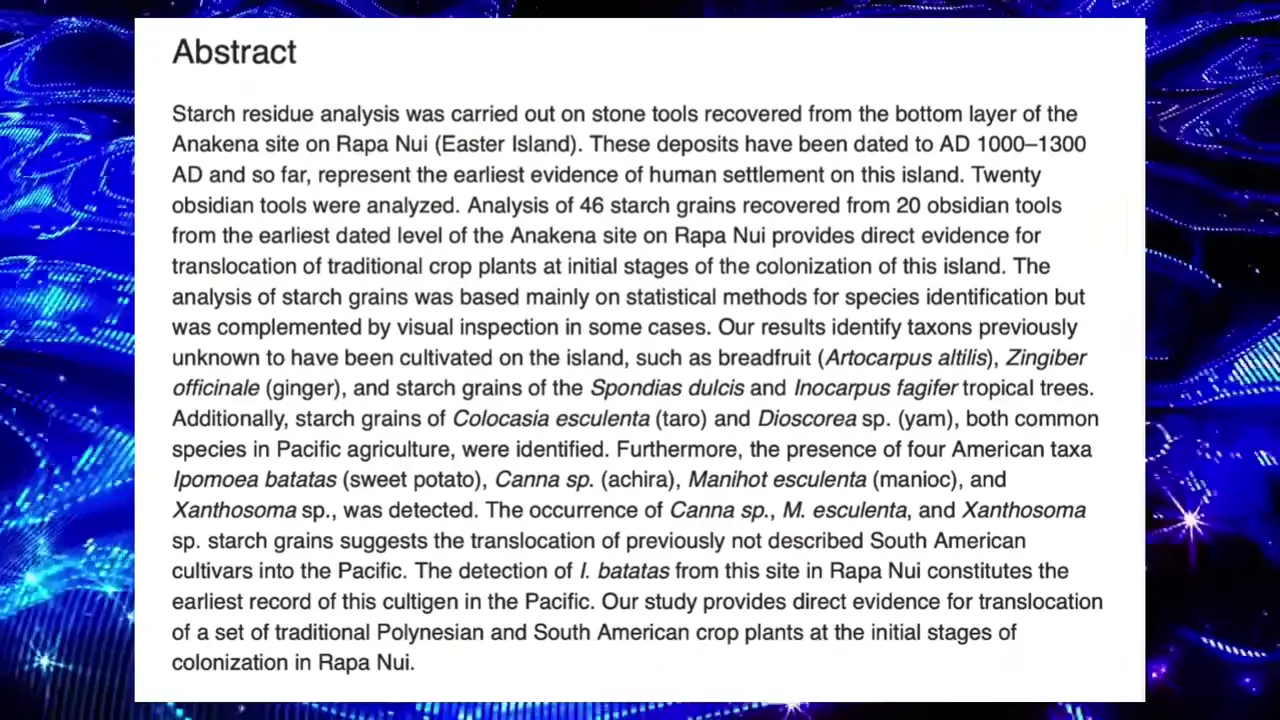
Particularly striking was the detection of four American taxa: sweet potato (Ipomoea batatas), achira (Canna sp.), manioc (Manihot esculenta), and Xanthosoma sp. These species suggest the translocation of previously undescribed South American cultivars into the Pacific. Together, the findings provide direct evidence for the translocation of traditional Polynesian and South American crop plants at the initial stages of colonization of Rapa Nui [V2]. Starch grain species identification relied mainly on statistical methods, complemented by visual inspection in some cases.
Bioarchaeology & Ancient DNA
A lower second molar from Chagyrskaya Cave, in the mountains of Siberia, bears evidence of deliberate dental drilling dated to approximately 59,000 years ago—the deepest cut reaching into the pulp cavity, with microscopic X-ray imaging revealing mineralization changes consistent with severe tooth decay [V3] [1] [2]. The tooth comes from a broader assemblage of more than 70 Neanderthal fossils and 26 dental specimens, and researchers interpret the hole as intentional intervention rather than natural wear or accident, describing it as “the earliest evidence of deliberate dental treatment in human history”.
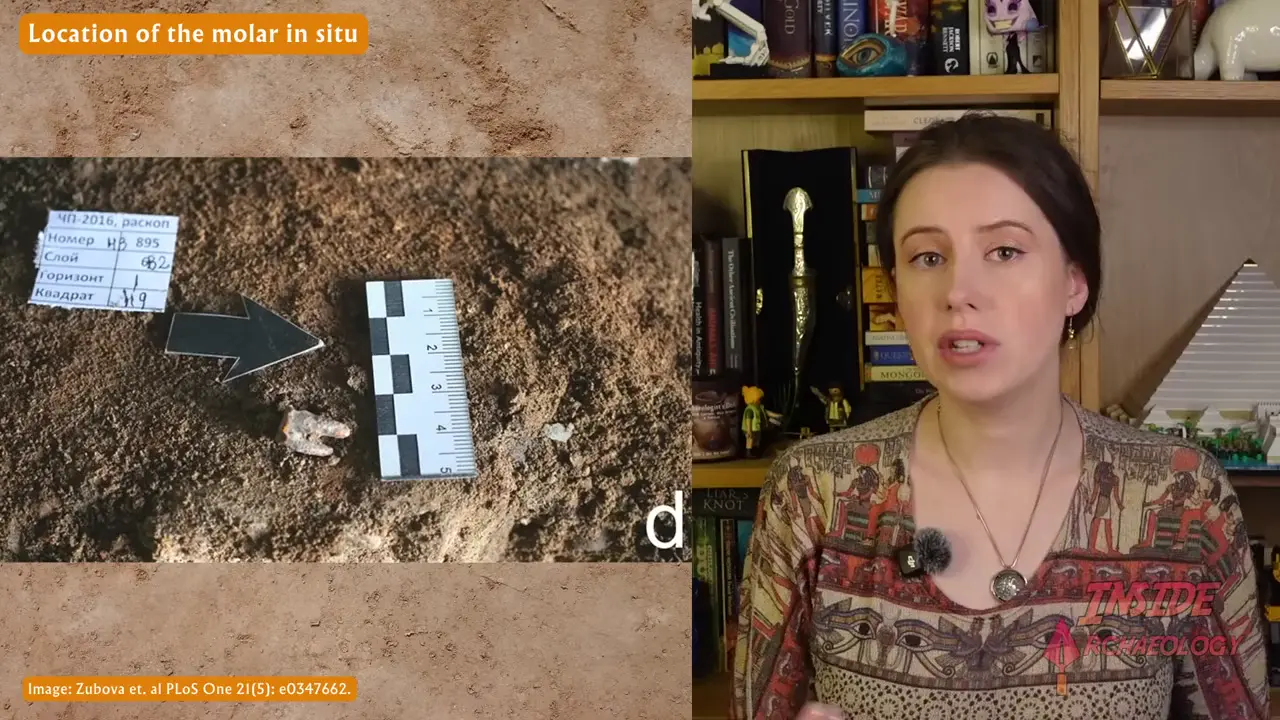
Experimental replication demonstrated that a comparable hole could be drilled into a modern tooth using a jasper point rotated between two fingers over 35 to 50 minutes, and additional wear on the treated molar indicates the individual survived for some time afterward—a finding modern dentists have likened to an early root canal. If accepted, the discovery extends the known antiquity of dental drilling by more than 40,000 years and represents the first such evidence outside Homo sapiens. Dental caries were rare among Neanderthals, making the Chagyrskaya specimen an unusual case, and the population is more closely related to European Neanderthals than to those from the nearby Denisova Cave, consistent with a second Neanderthal dispersal into the Altai at approximately 60,000 years ago.

This has led researchers to Mastaba 17 at Meidum as a possible alternative resting place. It houses a precision-made granite sarcophagus — the only one of its kind at Meidum [V4].
It also appears to be the last major monument built during Sneferu’s reign, indicating that Meidum remained a royal necropolis during his rule [V4].
Underwater Archaeology
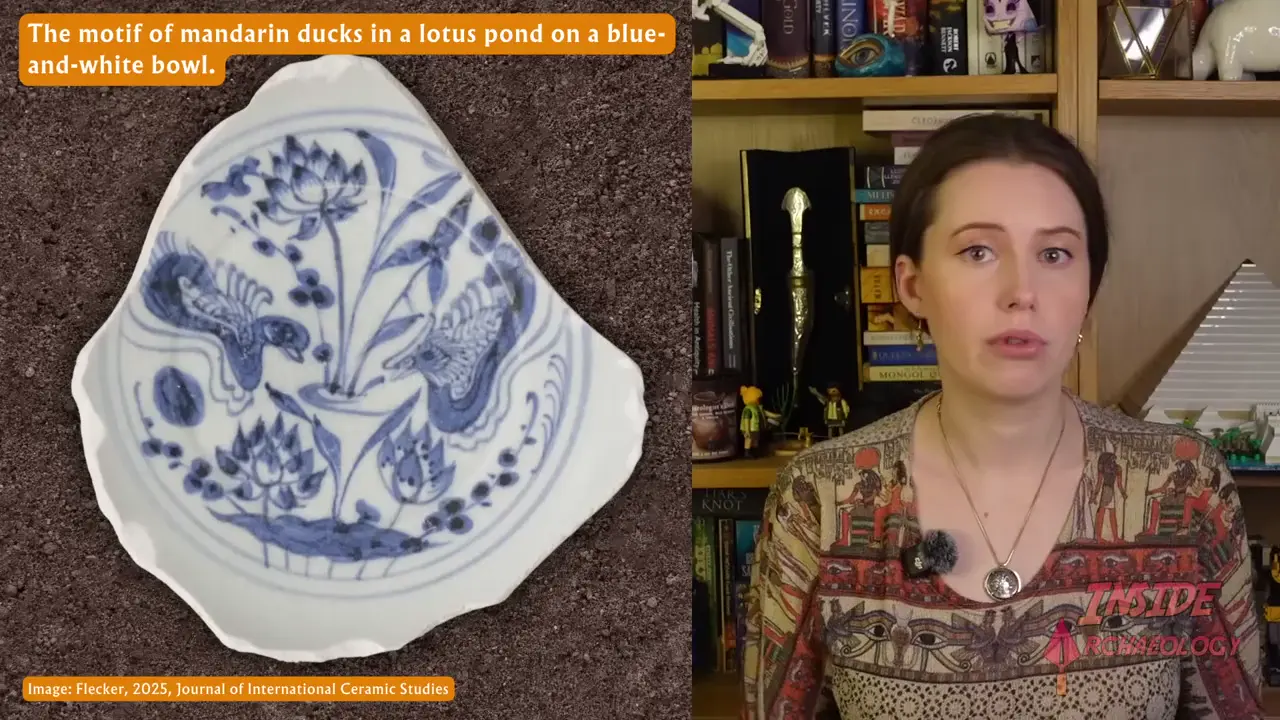
The vessel was likely a Chinese junk loaded at Quanzhou and bound for Temasek—historical Singapore—following a southbound South China Sea trade route originating in Fujian [V5]. Taken together, the wreck provides strong material evidence for a busy fourteenth-century trading port, directly challenging earlier historiographic portrayals of pre-1819 Singapore as a minor settlement [3].
Architecture & Monuments
LBK longhouses were substantial timber structures built around massive posts with wattle-and-daub chinking, typically measuring 7 to 45 meters in length and 5 to 7 meters in width [6]. Alpine pile-dwelling settlements required equally colossal quantities of timber, a demand reflected in the sheer scale of the surviving record: the UNESCO serial property encompasses 111 pile-dwelling sites drawn from approximately 937 known archaeological sites across six Alpine and sub-Alpine countries, representing a vast and sustained timber construction tradition [4].

The oldest known LBK longhouse settlement in Europe lies at Brunn am Gebirge on the outskirts of Vienna, where a densely built longhouse pattern extending 850 meters north–south by 500 meters east–west was in use around 5550–5200 cal BC, with the southern sector representing the oldest portion of the site [V6] [7]. Elsewhere, Bylany in Bohemia stands as one of the largest Neolithic settlements in Central Europe, its longhouses and rondels identified through aerial photography, geophysical prospection, and magnetometric analysis [5]. The earliest LBK longhouses were consistently rectangular and elongated in plan, and in some open settlements they were spaced at regular intervals of roughly 2 meters apart. A reconstructed longhouse at Straubing in Lower Bavaria offers a tangible reference point for understanding the timber-built architecture of this period.
Ancient Art
Room 3 of the Bonampak murals presents one of the most vivid surviving records of ancient Maya ceremonial life, depicting celebrations following a military victory that included ritual bloodletting, elaborate dance, and graphic scenes of captive torture and sacrifice [V7]. Three young brothers—including the heir previously presented to nobles in Room 1—appear wearing massive quetzal-feather headdresses and dancers’ wings, each grasping a bloody femur bone modified into a ritual axe.
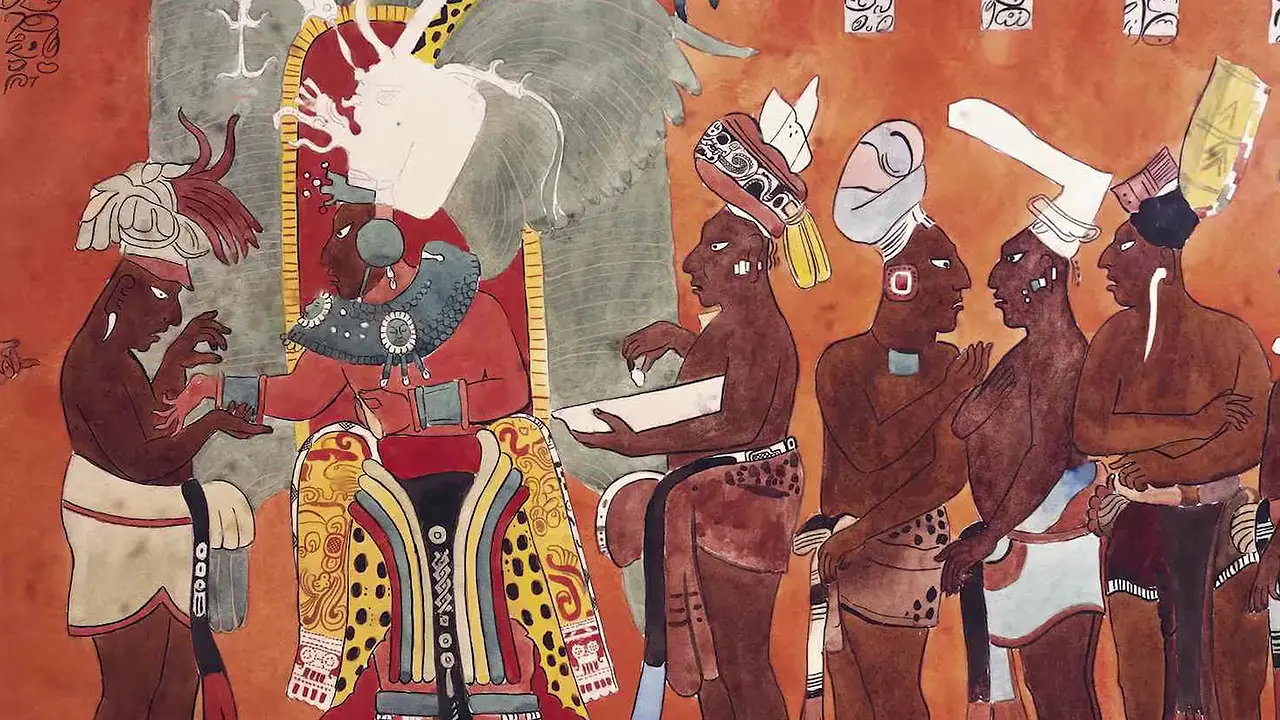
The murals also document self-inflicted bloodletting among the elite: noble women pierce their tongues with obsidian-studded ropes, while the mother, wives, and daughters of Chan Muwaan II bleed themselves using stingray tail spines in honor of a protector deity. With over 65 individual figures populating the chamber, the program captures the intertwining of warfare, accession, and sacrifice that defined Maya rulership.
In Brief
Three competing theories propose a second Sphinx at the Giza Plateau, but none has survived scrutiny or been tested by excavation, peer review, or confirmation by Egyptian antiquities authorities.
The most damaging counter-evidence is chronological: a 1929 aerial photograph of the Great Pyramid by Hermann Junker, published through the Austrian Academy of Sciences, shows the mound Biondi identifies was either absent or extremely small, suggesting the feature formed in the 20th century. Egyptologist Dr. Peter Brand has identified it as a debris ramp left by 20th-century excavation campaigns. All three theories conflate visual or geometric resemblance with archaeological identity, and as of the latest reporting, no confirmed evidence of a second Sphinx exists at Giza.

The astronomical sophistication of Chaco Canyon’s great houses represents one of North America’s most remarkable examples of ancient skywatching. In 1977, Anna Sofaer discovered the Sun Dagger on Fajada Butte, where light passes between three sandstone slabs to illuminate a spiral petroglyph during solstices, equinoxes, and key lunar stations [V8]. Sofaer founded the Solstice Project in 1978 to study these phenomena, and the team found that all of Chaco’s great houses feature precise astronomical alignments—some oriented to the sun and others to the 18.6-year lunar standstills. Seven buildings show documented alignments with lunar risings and settings, and Chimney Rock in Colorado exhibits a similar relationship to the major lunar standstill. Such precision reflects expert knowledge requiring generations of observation, though Fajada Butte has been closed to the public due to erosion, limiting independent verification.
The “collapse” narrative is contested. Dendrochronology provides year-precise construction dates [V9], and around 1130 CE a 50-year drought struck the Southwest, after which no new great houses were built and Ancestral Puebloan populations migrated north to Mesa Verde and Hovenweep by approximately 1200 CE. However, archaeological evidence challenges the framing of Chaco as a “civilization” susceptible to collapse: burials and middens indicate a permanent population of less than 3,000, with no visible elite residences or higher-status lifestyles. The road system radiating from Pueblo Bonito shows little compaction, suggesting the roads were not used for regular trade, undermining the long-held assumption that Chaco was a major trade center.

A controversy has emerged over a set of remarkably precise stone vases in Matt Bell’s private collection, with Max Fulmichek publishing a paper arguing that the objects are not genuinely ancient, primarily because the Cairo Museum holds no comparable examples [V10]. The question of how such precision was achieved has also divided specialists: one alternative hypothesis raised in the discussion proposes that the vases may have been produced on a primitive lathe rather than on modern machinery, while a broader scholarly argument — the so-called “heirloom” hypothesis — contends that highly precise Egyptian stone vases were inherited by early Dynastic Egyptians rather than manufactured by them, because the implied technology exceeds what is otherwise attributed to the period [8].
The specific claim that Göbekli Tepe’s builders were only two or three generations removed from mammoth hunters traces to a single YouTube video rather than the peer-reviewed literature, and several of its supporting assertions—including the dating of mainland Europe’s last mammoths to around 10,000 BC and the idea that mammoths appear in the site’s reliefs—are not corroborated by the academic sources on the site [V11]. What the scholarly record does establish is striking on its own: the earliest monumental structures at Göbekli Tepe date to roughly 9500–9000 BCE [9] [10], placing construction squarely at the transition from Pleistocene hunting economies to the early Holocene, when the site was being raised by hunter-gatherers during the Pre-Pottery Neolithic, before the development of agriculture, pottery, and animal domestication. The builders raised massive T-shaped pillars in circular or oval enclosures, carved with sculptural reliefs of wild animals and anthropomorphic figures. Given this chronology, the precise “2–3 generations” framing should be treated as popular-media speculation rather than established scholarship.

Around 1200 BCE, a catastrophic event swept through the Eastern Mediterranean, marking what scholars call the Late Bronze Age collapse—the 1200 BC destruction horizon [13] [11] [12] [V12] [14]. Almost every major and many minor sites in the Eastern Mediterranean have been cited as destroyed during this massive wave of destruction, forming a near-continent-wide devastation layer [15]. After approximately 1177 BC, survivors were plunged into a centuries-long “Dark Ages” during which some written languages disappeared entirely, and archaeological evidence indicates that organized civilization in the Eastern Mediterranean region came to an end at some point between 1200 and 1100 BCE.
One of the most striking geographic inaccuracies in the Iliad concerns Thebes, which Homer describes as “a well-built citadel with strong walls” despite archaeological evidence indicating it possessed neither [V13]. Even more notably, the nearby site of Gla — the largest acropolis of the second millennium BC, far exceeding Mycenae in size — is entirely omitted from the epic. Chronological problems compound these geographic liberties: Sparta was founded around 900 BC, roughly a century before Homer’s poems were composed, meaning the Iliad preserves no accurate memory of the city’s actual age. Yet Greeks of the classical period accepted the Trojan War as genuine history and confidently identified Homer’s Troy with a modest hill six kilometers from a site referenced in the epic [17].
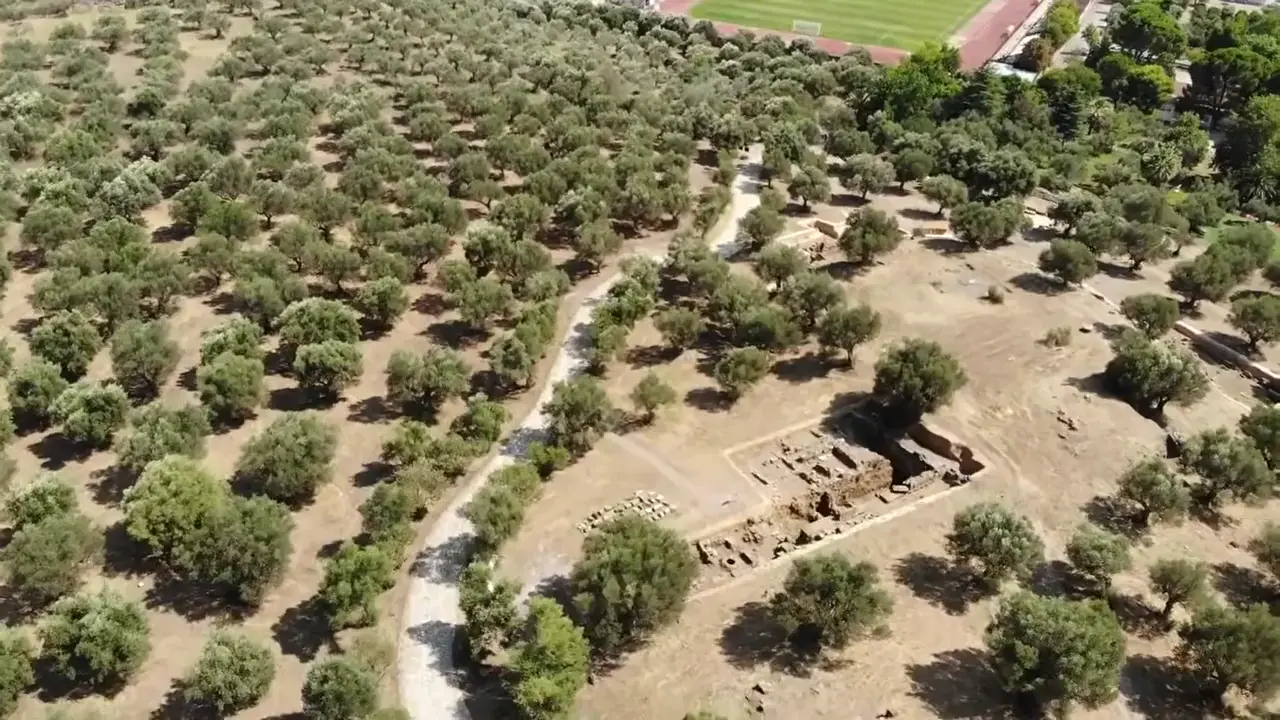
Homer’s Phthia, homeland of Achilles, illustrates the broader scholarly recognition that the Iliad blends real geography with poetic invention rather than offering literal cartography. Encyclopedic and academic sources consistently treat Phthia as a real Thessalian location [16], and scholarship primarily identifies it with ancient Pharsala in southeastern Thessaly. Yet in the poem’s later books, a wordplay links Phthia to the land of the dead, suggesting the name operates partly as conceptual space rather than a strict locational marker [19]. The geographic references in the Iliad are most specific along the Ionian coast of western Asia Minor, pointing to an East Greek compositional milieu [18]. Achilles’ vow to the Thessalian river Spercheios — pledging a lock of his hair to it — further anchors Phthia in a recognizable Thessalian landscape.
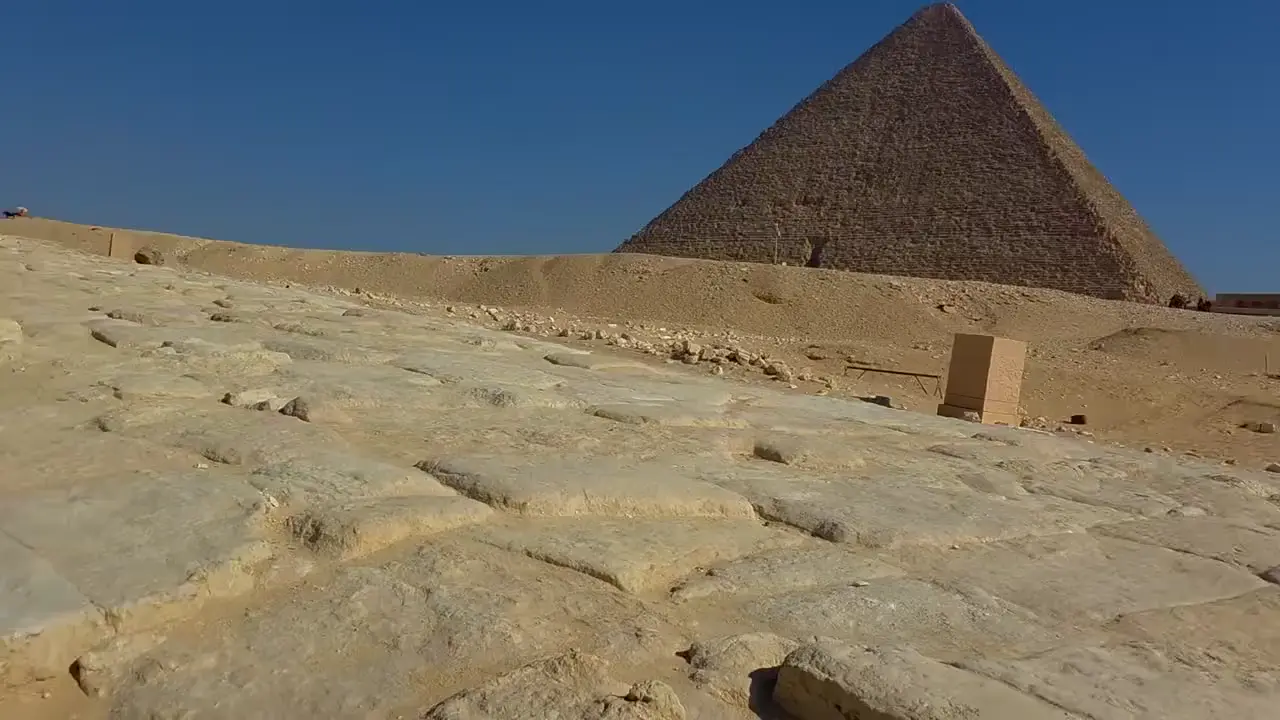
The “ancient rock-cut roadways” described in the original report are better understood within standard Egyptology as causeways — long stone pathways that connected valley temples to mortuary temples at the base of each pyramid complex, rather than passages terminating directly at the pyramid faces themselves [21]. That distinction matters because the apparent mystery of a weathered roadway ending at a pyramid face “with no entrance visible” may rest on a misidentification of the structure. Standard descriptions place causeways at Giza as temple-to-temple connectors, and Menkaure’s pyramid complex (c. 2490 B.C.) preserves a clear example of two temples joined by such a pathway. A 2015 committee report also confirmed a causeway associated with the Great Pyramid, though details of its full course remain a subject of investigation.
Crucially, the absence of a visible entrance on a pyramid face is not equivalent to proof that no entrance exists. The ScanPyramids mission demonstrated this directly when ground-penetrating radar, ultrasonic testing, and electrical resistivity tomography revealed a previously hidden corridor on the north face of Khufu’s Pyramid — a void that had been concealed for approximately 4,500 years [20]. Petrie’s 19th-century survey also documented that shafts roughly 20 feet deep were cut into the pyramid’s faces to reach casing stones, which were found largely intact only at the middles, suggesting that surface features on the faces have long been altered [22]. The Earth Explorer documentation of the area is necessarily incomplete, as the site was under active archaeological restriction with personnel ordering the explorer to leave during filming [V14] [V15].
Sources
- Oldest known dental treatment found in 59000-year-old Neanderthal …
- A Neanderthal Had a Tooth Drilled 59,000 Years Ago. The Evidence …
- Earliest Shipwreck in Singapore Reveals 14th Century Trading Port …
- Prehistoric Pile Dwellings around the Alps - Unesco Beni Culturali
- Bylany (archaeological site)
- Linearbandkeramik Culture - The First Farmers of Europe - ThoughtCo
- Settlement of the Early Linear Ceramics Culture at Brunn am …
- Egyptian stone vases: high-precision or complete delusion …
- How Göbekli Tepe is Reshaping Our Understanding of the Neolithic
- Göbekli Tepe
- Late Bronze Age collapse | Anthropology | Research Starters - EBSCO
- (PDF) Getting closer to the Late Bronze Age collapse in the Aegean …
- Late Bronze Age collapse - Wikipedia
- The Late Bronze Age Collapse - Unseen Histories
- The Fall of the Bronze Age and the Destruction that Wasn’t
- RESURRECTION OF ACHILLES HOMELAND AND CAPITAL CITY …
- The Trojan War: myth or ‘damaged history’ - Oxford Lifelong Learning
- Homer | History | Research Starters - EBSCO
- [PDF] “Homeric Phthia” - Digital Commons @ Colby
- Confirmation of the ScanPyramids North Face Corridor in the Great Pyramid of Giza using multi-modal image fusion from three non-destructive testing techniques
- The Great Pyramids of Giza - Smarthistory
- [PDF] The Pyramids and Temples of Gizeh - Harvard University
Videos
V1. DeDunking — “DeDunking 101 When The Experts Don’t Know… Or Lie” V2. DeDunking — “DeDunking 101 When The Experts Don’t Know… Or Lie” V3. Inside Archaeology — “Latest #Archaeology Discoveries: May 2026” V4. Ancient Architects — “EXCLUSIVE: Pyramid King’s Face Reconstructed: Sneferu Revealed!” V5. Inside Archaeology — “Latest #Archaeology Discoveries: May 2026” V6. The Prehistory Guys — “What About the Timber? The Missing Piece of the Neolithic Puzzle” V7. World of Antiquity — “How the Murals of Bonampak Changed Maya History” V8. Archaeologist Ed Barnhart — “How was Chaco Canyon really built?” V9. Archaeologist Ed Barnhart — “How was Chaco Canyon really built?” V10. DeDunking — “Teaching Flint Dibble & Neal Sendlak Logic & Facts LIVE P1 1” V11. Luke Caverns — “Humans never found the Last Mammoths on this frozen Siberian island…” V12. Michael Button — “Something Disturbing Happened to Every Civilization” V13. One-eyed giant building walls — “Fact, Fiction, and a Billionnaire With Dynamite - What is behind this wall” V14. Earth Explorer — “Giza’s Forgotten Megaliths: Giant Granite Pillars & Off Limits Pyramids Tombs” V15. Earth Explorer — “Giza’s Forgotten Megaliths: Giant Granite Pillars & Off Limits Pyramids Tombs”
Keep exploring
Every site on this page sits on the globe, and the people who research them are on the Discord.
3D Globe · Sites by country · Story Archive · Research Library · Weekly Journal · Search