

Week of April 27: 900K-Year-Old Near-Extinction Event Discovered, Lost Spanish Colony Found, and More
A genomic study reveals human ancestors experienced catastrophic population collapse approximately 930,000 to 813,000 years ago, declining by 98-98.7% to roughly 1,280 breeding individuals, with about 50% of modern humans still carrying this genetic signature. Archaeologists have definitively identified the site of a 440-year-old Spanish colony founded by Pedro Sarmiento de Gamboa in 1584 after rediscovering a silver coin placed on the foundation stone. Monument 19 at La Venta, dating to 1400-400 BCE, represents the earliest known feathered serpent depiction in Mesoamerica, an iconographic symbol that would later appear in Maya and Aztec civilizations. Airborne LiDAR surveys continue transforming understanding of pre-Columbian civilization, revealing continuous Maya urban sprawl with raised highways and causeways connecting previously unknown centers into integrated networks.
A genomic study reveals human ancestors experienced catastrophic population collapse approximately 930,000 to 813,000 years ago, declining by 98-98.7% to roughly 1,280 breeding individuals, with about 50% of modern humans still carrying this genetic signature. Archaeologists have definitively identified the site of a 440-year-old Spanish colony founded by Pedro Sarmiento de Gamboa in 1584 after rediscovering a silver coin placed on the foundation stone. Monument 19 at La Venta, dating to 1400-400 BCE, represents the earliest known feathered serpent depiction in Mesoamerica, an iconographic symbol that would later appear in Maya and Aztec civilizations. Airborne LiDAR surveys continue transforming understanding of pre-Columbian civilization, revealing continuous Maya urban sprawl with raised highways and causeways connecting previously unknown centers into integrated networks.
New Excavations & Fieldwork
Archaeologists uncovered a 440-year-old Spanish silver coin placed by Pedro Sarmiento de Gamboa in 1584, still sitting on the foundation stone—this physical confirmation definitively identified the site [V1].
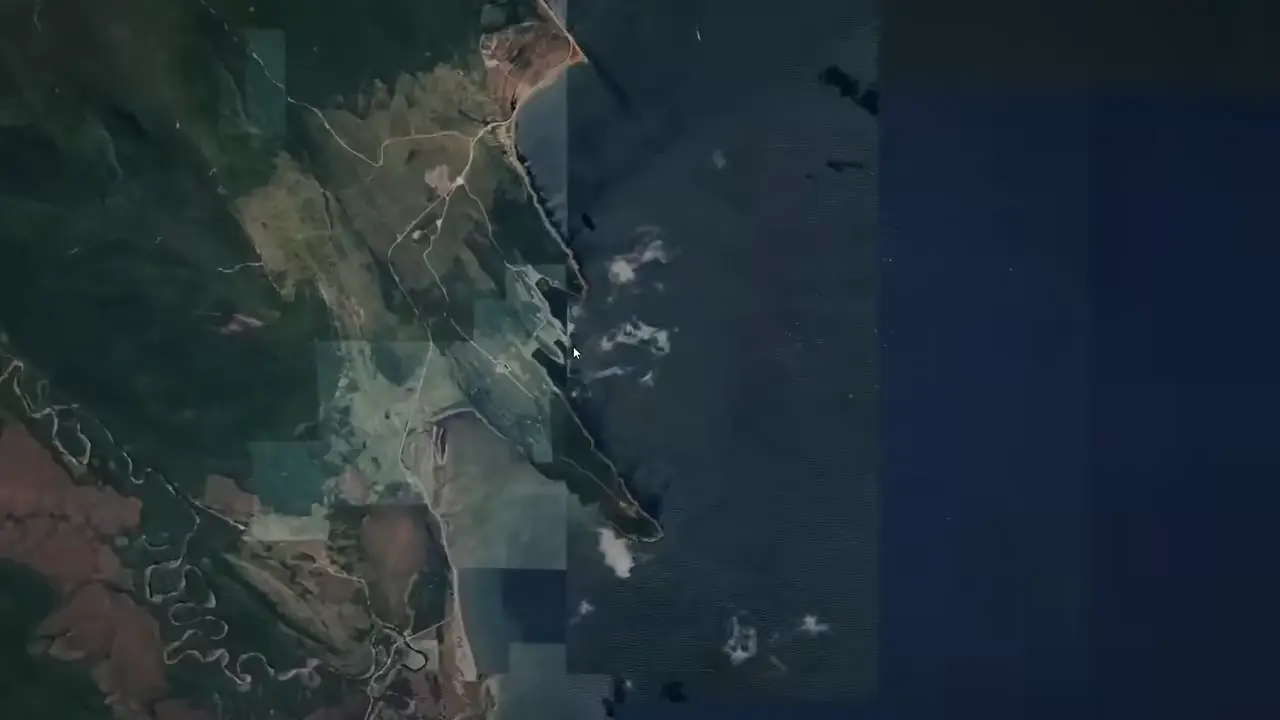
Historical records show that navigator Pedro Sarmiento de Gamboa founded the colony in 1584, and Thomas Cavendish found it already in ruins by 1587 with only a handful of surviving Spaniards stranded there [V2]. After resupply missions ceased around 1590, the colony was abandoned; coordinates drifted and mid-1800s maps mislabeled the site, with excursions during that period failing to relocate it. The research team is now using 3D scanning to document and virtually reconstruct the entire settlement, integrating LiDAR data with excavation findings to build a comprehensive digital model of the colonial remains [V1] [V3].
The Great Palace of Constantinople was a sprawling complex on terraces overlooking the sea that grew organically from Constantine’s reign through the Fourth Crusade [V4]. It served as the main imperial residence until 1081 and the centre of Byzantine imperial administration for over 690 years, yet it remains largely unexplored, with most structures still underground—including the Daphne Palace, its oldest section, the main gate, the Hall of the 19 Couches, the Golden Hall, and all but fragments of the Magnaura. Scholars have identified it as arguably the most important Western architectural complex to have disappeared from the archaeological record [2].
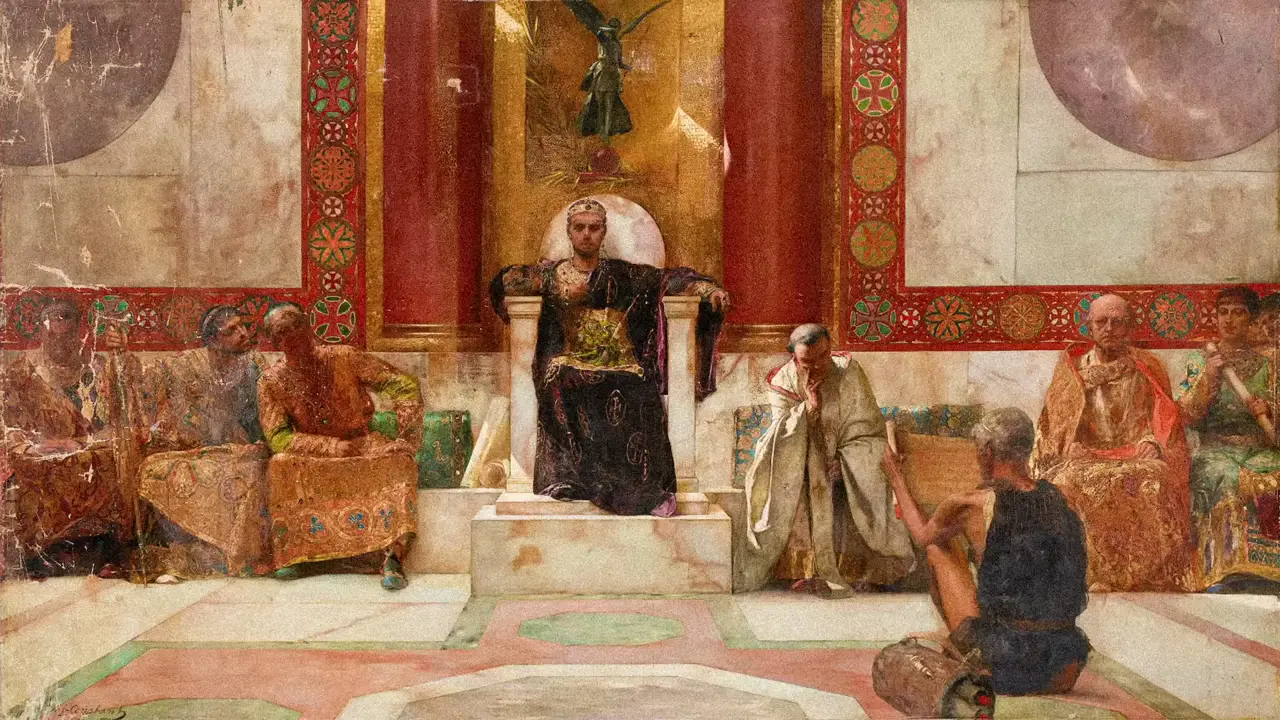
Only one peristyle court, probably built under Justinian, has been fully excavated and opened to the public as the Great Palace Mosaic Museum [V4], while a section near Hagia Sophia has undergone intermittent excavation for years without completion. The Bukolian Palace facade has recently been restored, but historical texts such as the Book of Ceremonies and Procopius provide detailed descriptions of the palace’s architecture and ceremonies that remain without comprehensive archaeological confirmation. The complex was eventually abandoned in favour of the more secure and comfortable Blachernae Palace in the northeastern quarter of the city [1].
Artifact Discoveries
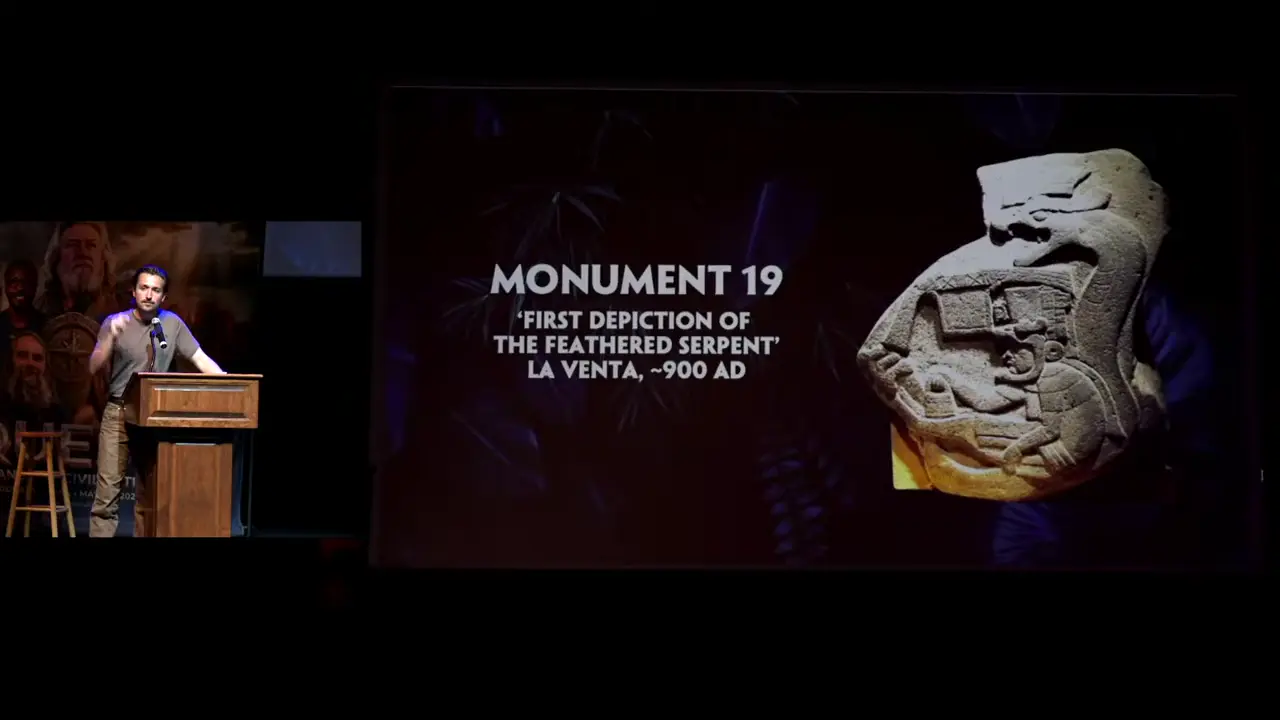
Monument 19 at La Venta stands as the earliest known representation of the feathered serpent in Mesoamerica, depicting a seated human figure within the coils of a serpent [V5] [3]. This masterfully executed basalt monument established what would become one of Mesoamerica’s most enduring and recognizable iconographic symbols, one that would resurface in later civilizations including the Maya and Aztecs. However, precisely dating this Olmec monument has proven challenging for archaeologists, with current estimates spanning approximately 1,000 years, ranging from 1400–400 BCE or 1300–400 BCE. The discrepancy between 1400 BC and 1300 BC as the start date reflects broader uncertainty in Olmec monument chronology rather than competing interpretive frameworks.
Remote Sensing & Technology
Airborne LiDAR surveys have transformed understanding of pre-Columbian civilization across the Americas, revealing that Maya urban development in the lowlands was far more extensive than ground surveys ever suggested, with continuous sprawl, raised highways, and causeways connecting previously unknown urban centers into an integrated network [V6] [6]. The same technology has uncovered geometric earthworks, circular structures, and more than 50 previously unmapped mound sites in Florida alone, demonstrating that this revelatory potential extends well beyond the Maya heartland. Beyond dedicated archaeological surveys, environmental datasets collected for forestry and geology purposes have been successfully repurposed for archaeological analysis, enabling rapid preliminary mapping of large areas under dense jungle coverage [4]. This capability has proven especially valuable for regions under threat from agricultural expansion, where faster documentation methods are critical [5]. The implications extend further south, where the “wear jaguar” motif appearing at Andean sites including Chavín de Huántar, Moche, and Tiwanaku suggests possible Amazonian cultural influence, hinting that LiDAR may eventually reveal urban complexity in the Amazon basin to match what has already been documented in Mesoamerica.
Bioarchaeology & Ancient DNA
Approximately 930,000 to 813,000 years ago, human ancestors experienced a catastrophic population collapse, declining by approximately 98-98.7% from prior levels to roughly 1,280 breeding individuals [7] [V7]. This crisis lasted over 100,000 years, representing one of the most severe bottlenecks in human evolutionary history. Researchers have identified this period as a “time of crisis,” linking the near-extinction event to dramatic environmental and climate changes that devastated ancestral populations. Genomic studies confirm the severity of this Early to Middle Pleistocene population crash, with about 50% of modern humans still carrying the genetic signature of this ancient bottleneck in their DNA. The findings suggest our species came closer to disappearing than previously understood, raising fundamental questions about what allowed our ancestors to survive this extended period of critically low numbers.

Architecture & Monuments
At Caja Rumi, researchers have documented remarkable lid structures adorning structures with intricate geometric carvings, with some lids remaining intact and propped open to reveal internal round structures within [V9] [V8]. Located in Peru’s Ancash region at approximately 4,000-5,000 meters altitude, the site features round rocks with symmetrical shapes and lock stones that fit precisely into carved recesses. The rocks contain high quartz content and ring when struck—a characteristic shared with megalithic monuments worldwide.
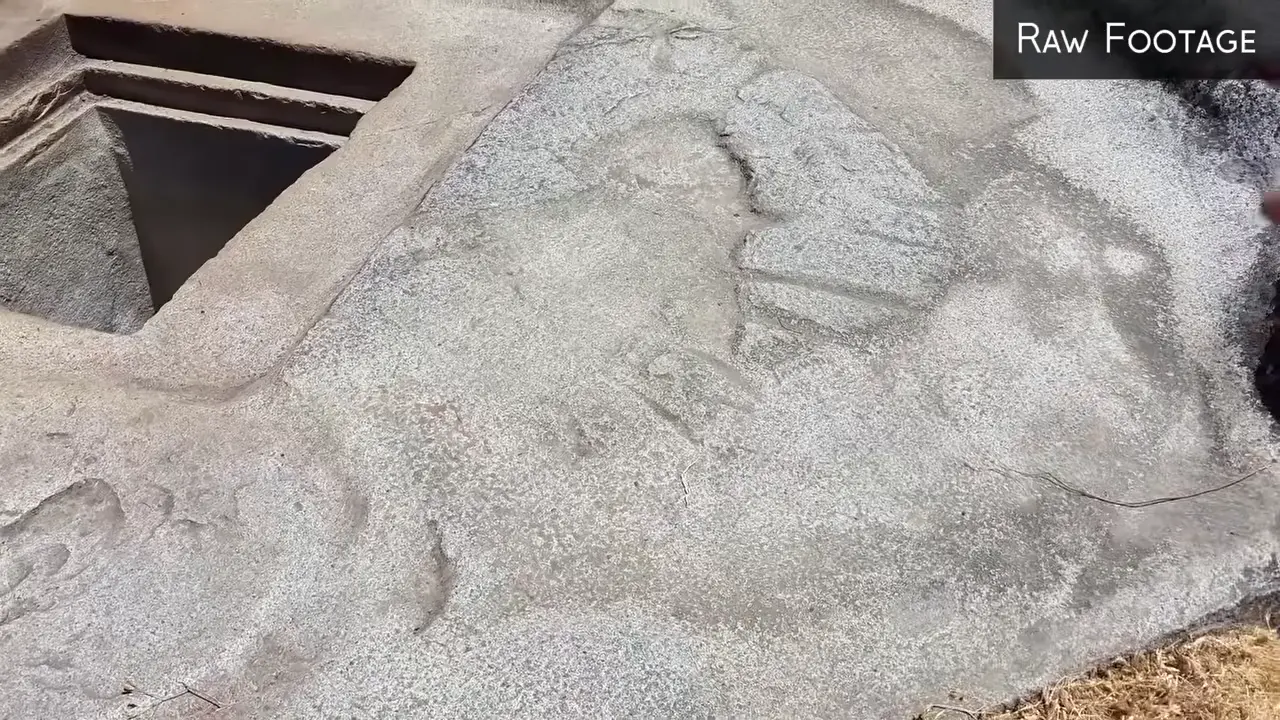
The most striking aspect of Caja Rumi involves the hidden nature of its surface carvings. Wetting the rock surface reveals ancient designs more clearly that would otherwise remain invisible [V9]. Multiple round indentations are carved into rock surfaces, alongside scoop marks and lines carved straight through rocks from bottom to top [V8]. Researchers note that small holes carved into the tops of large stones may represent lagoons or lakes in the surrounding landscape, suggesting the complex may encode geographic features into its architecture [9] [8]. Kimberly Munro (Otero), founder and co-director of the District of Cáceres-Ancash Peru-Archaeological Project, continues to lead investigations into these unusual structures [10].
The Valley Temple of Khafre demonstrates remarkably sophisticated construction techniques that continue to intrigue researchers. The structure originally had multiple levels with granite and limestone casing on all sides [V11] [V10], built using precise dry-fitting methods with no mortar where seams are reportedly too tight to fit a credit card. Red granite was transported 560-600 miles from Aswan for construction, while alabaster floors covered the interior. Robert Temple identified keystone cuts on the roof using techniques also found in Peru and Turkey, suggesting possible international connections in ancient building practices.
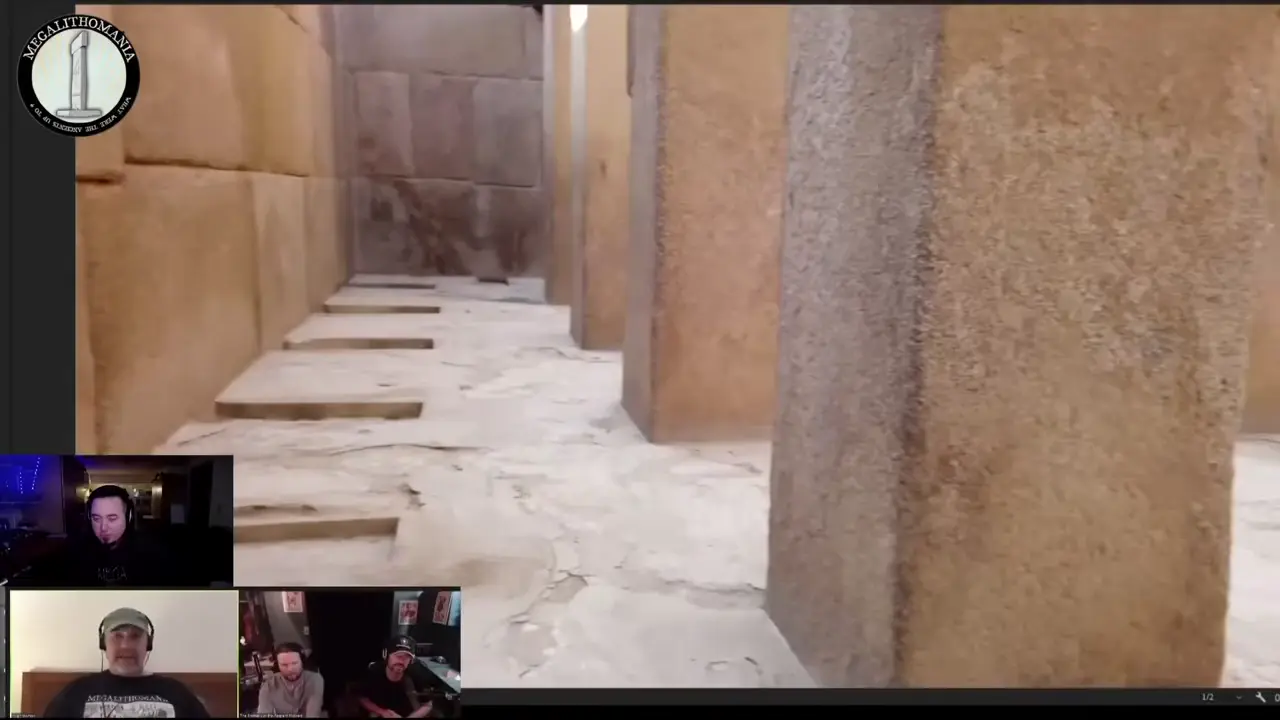
The temple’s artistic design reflects deliberate sophistication. Mirrored patterns on opposite walls demonstrate artistic variation rather than identical duplication [V11], while geometric principles following the golden section appear throughout the walls and angles. More controversial findings include thermoluminescence dating suggesting the structure may be 500-700 years older than the traditional 2600 BC chronology [V10], and water channels in the foundation that some researchers interpret as evidence of ceremonial use potentially related to Osiris rituals. Despite ongoing scholarly debate about its dating, the temple is considered remarkably well-preserved from the Old Kingdom period [12] [11].
In Brief
Obsidian artifacts dating to approximately 300,000 years ago have been found to originate from non-local sources, challenging long-held assumptions about the depth of prehistoric trade and exchange networks. Isotope analysis of these artifacts reveals that stone materials were being transported over substantial distances during the Middle Pleistocene, a practice that now appears far older than previously recognized [V12]. Research at Olorgesailie, Kenya documents around 300,000-year-old cultural transitions including obsidian transport and pigment processing, implying the early development of extensive social networks [14]. The Kapthurin Formation similarly contains evidence of Middle Stone Age obsidian exploitation and transport of volcanic glass from distant sources. Critically, these artifacts predate fully Homo sapiens sapiens, indicating that either earlier Homo species or early modern humans were already embedded in long-distance transport networks [13]. Obsidian exploitation in Africa extends back to the Early Stone Age over a million years, suggesting that materials were already being moved substantial distances at that time. The Sibilo School Road Site in Kenya provides additional evidence of long-distance obsidian transport dating to approximately 200,000 years ago during the early Middle Stone Age [15]. Together, these findings point to sophisticated procurement strategies and regional exchange systems operating far earlier than once thought.
Western Olmec sites in Morelos and Guerrero contain actual caves with carved monuments—a feature absent from the eastern heartland in southern Veracruz and western Tabasco [V14] [V13]. The Tuxtlas mountains, where major sites like La Venta and San Lorenzo are located, are volcanic rather than limestone and lack deep cave formations found further west. No evidence of cave activities has been documented in this region, yet cave iconography appears prominently on eastern Olmec monuments including La Venta Altar 4 and San Lorenzo Monument 14. This geographical puzzle has led researchers to investigate whether the western caves served as the source of cave symbolism that later spread eastward.

The evidence from western sites supports this possibility. Teopantecuanitlan dates from as early as 1400 BCE and features a sunken courtyard built around 1000 BCE surrounded by Earth Monster images [V14]. The Earth Monster face on Oxtotitlán Mural 1 matches the iconography found on La Venta Altar 4, suggesting shared symbolic vocabulary across eastern and western sites. Chalcatzingo Monument 1, carved inside a cave’s mouth depicting a figure in a headdress, provides direct evidence of actual cave-based iconography at western sites dating to 900-500 BCE. Together, these findings indicate that cave imagery may have originated in regions with actual caves and later been adopted in the cave-less eastern heartland.
Over two decades after the discovery of a sealed door at the end of the Queen’s Chamber Northern Channel in Egypt’s Great Pyramid of Giza, five possibilities remain under scholarly discussion for what lies beyond: another empty space, workers markings, a connection to the mysterious Big Void, the missing mummy of Khufu, or a secret chamber [V15] [V16]. An exploration mission is planned for 2026 to finally investigate this long-standing mystery. The Queen’s Chamber channels mirror those of the King’s Chamber but were abandoned during construction, bending multiple times at varying angles and inclinations. However, a ‘Big Void’ has been discovered inside the Great Pyramid with no known corridors currently connecting to it [16]. Khufu’s mummy has never been found inside the Great Pyramid despite the pyramid being constructed as his tomb, and some researchers have proposed the Big Void may be a concealed burial chamber for Khufu [17]. The Northern Channel was aligned to Thuban, the North Star for ancient Egyptians during the pyramid construction period, achieving sub-degree alignment to true north within 4 minutes of arc.
The Finger Lakes occupy massive U-shaped glacial troughs carved by catastrophic subglacial floods under the Laurentide Ice Sheet. These troughs, some reaching extraordinary depths—with Lake Seneca bottoming out around 618 feet below the sediment surface and bedrock potentially extending to 1,200 feet—testify to the immense erosive power of high-velocity, high-pressure sheet floods that surged beneath the ice [V17]. The Finger Lakes radiate outward from the deep basin at the eastern end of Lake Ontario, following the structural grain established by these ancient flood channels. The New York State drumlin field was produced under the Laurentide Ice Sheet approximately 18,000 years ago, with hundreds of drumlins existing between the north ends of the Finger Lakes and Lake Ontario’s south coast. The Laurentide Ice Sheet finally retreated from the Finger Lakes region approximately 10,000 years ago, leaving behind this dramatic landscape of deep troughs and streamlined glacial landforms.
A major upcoming initiative is planned covering the US, South America, and the Polynesian world, including the largest independent Amazonian LIDAR scan to date [V18]. The LidArc Initiative supports underfunded archaeology projects globally by facilitating LIDAR acquisition and processing [20] [19]. LIDAR surveys have already confirmed undiscovered structures in Acre, Brazil, beneath dense forest cover [18], and when combined with community-led observation, the technology is revealing archaeological legacies throughout the Amazon. These developments suggest that LIDAR is transforming from an exclusive research tool into a broadly accessible method for documenting hidden archaeological landscapes worldwide.
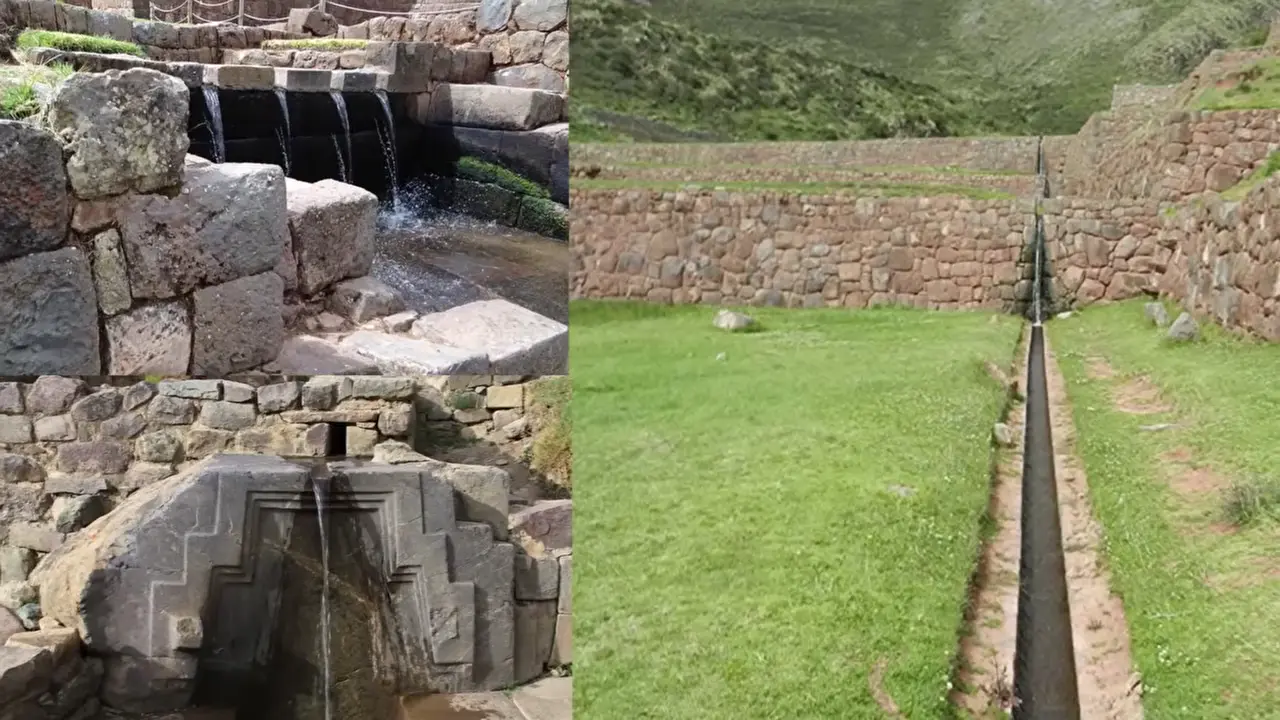
Machu Picchu’s hydraulic engineering represents one of the ancient world’s most sophisticated water management systems. Ken Wright’s research documented that water at Machu Picchu originated from a spring approximately 0.5 miles (800 meters) north of the site, flowing through a main canal spanning 749 meters of remarkable precision engineering that fed 16 fountains arranged in sequence throughout the complex [V19] [21]. The Inca constructed sophisticated underground drainage using crushed granite specifically designed to protect the site against heavy rainfall and seismic activity. An estimated 60% of the total construction effort at Machu Picchu was dedicated to underground infrastructure, including foundations, drainage channels, and hydraulic networks [22]. This system demonstrates a profound understanding of the mountain’s hydrology and Geology, and remarkably remains functional today.
Mount Coffin (Coffin Rock) was a 225-foot mound of black volcanic basalt located on the north bank of the Columbia River approximately three miles downstream from the mouth of the Cowlitz River in present-day Longview, Washington [23]. The site served as burial grounds for the local indigenous population, specifically the Cowlitz Tribe, and was first documented by Lieutenant William R. Broughton in 1792 during the Vancouver Expedition [24]. Lewis and Clark passed through the Columbia River region just months later in October 1805. The basalt composing Mount Coffin is consistent with Columbia River Basalt Group formations common throughout the Pacific Northwest.
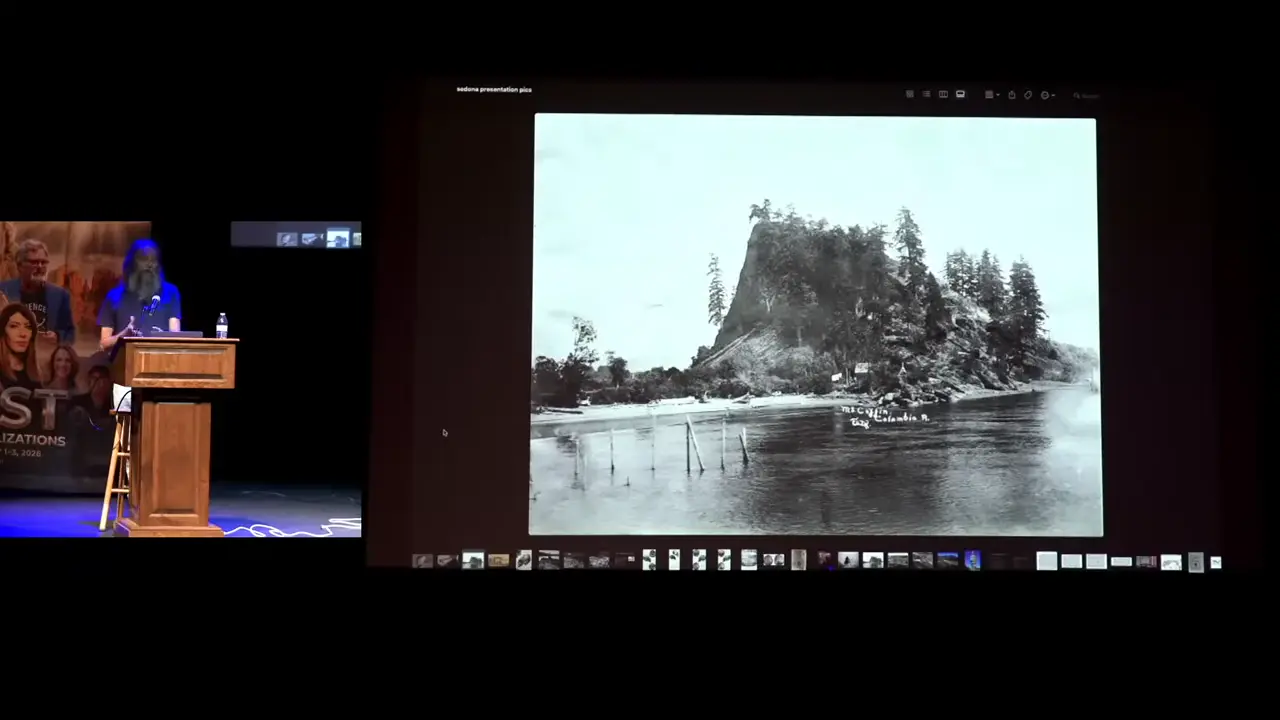
The mound was eventually destroyed and is no longer visible due to commercial gravel mining operations [V20]. At the time of its destruction, the site was considered sacred by Native Americans for afterlife beliefs and rebirth. This destruction marked a significant loss of both archaeological evidence and cultural heritage tied to the region’s indigenous populations.
Sources
- The Great Palace of Constantinople | theromantictraveller
- The Great Palace in Constantinople - Brepols Publishers
- La Venta - Wikipedia
- The lowland Maya settlement landscape: Environmental LiDAR and …
- FINDING THE FOREST THROUGH THE TREES: WHAT LIDAR REVEALED ABOUT THE COCO CHAN LANDSCAPE
- Laser Scans Reveal Maya “Megalopolis” Below Guatemalan Jungle
- Did Our Human Ancestors Come Close to Extinction? - History.com
- Landscapes of Persistence and Ritual Architecture at the …
- Landscapes of Persistence and Ritual Architecture at the …
- Otero’s Kimberly Munro Presented at the Society for … - SECO NEWS
- Valley Temple of Khafre, Giza - History & Facts - Memphis Tours
- The Valley Temple of king Chephren - Marsa Alam Tours
- Varieties and sources of artefactual obsidian in the Middle Stone …
- Discovered: 300,000-Year-Old Tools and Paints That Point to Early …
- Evidence from the ∼200 ka Middle Stone Age Sibilo School Road …
- Mysterious Void Discovered in Egypt’s Great Pyramid
- Chamber discovered deep within Great Pyramid of Giza … - Indy100
- Mapping New Archaeological Frontiers in the Rainforest - Kaggle
- [PDF] Stefano RL Campana et al. / The GDH LidArc Initiative - Eurographics
- LidArc Initiative: Pioneering Global Under-Canopy Archaeology by …
- Water Fountains and Inca Channels of Machu Picchu - Peru Sites
- Underground Secrets of Machu Picchu: Hydraulic Engineering
- Recreating the Columbia River Highway - Coffin Rock, Washingtion
- Mount Coffin - Institut für Anglistik/Amerikanistik - Universität Rostock
Videos
V1. Luke Caverns — “This Spanish Colony Vanished in 1590… & we finally found it” V2. Luke Caverns — “This Spanish Colony Vanished in 1590… & we finally found it” V3. Luke Caverns — “This Spanish Colony Vanished in 1590… & we finally found it” V4. toldinstone — “5 Incredible Roman Ruins (we’re still looking for)” V5. Luke Caverns — “Luke Caverns Live Stream” V6. Luke Caverns — “Luke Caverns Live Stream” V7. Michael Button — “We’re Probably Wrong About Human History” V8. Earth Explorer — “Hidden Megaliths of Peru & Egypt: Caja Rumi, Torontoy and Giza’s Subterranean Stairs” V9. Earth Explorer — “Hidden Megaliths of Peru & Egypt: Caja Rumi, Torontoy and Giza’s Subterranean Stairs” V10. MegalithomaniaUK — “Giza’s Valley Temple and the Osirion | Podcast Team-Up | Uncharted X | Snake Bros | Megalithomania” V11. MegalithomaniaUK — “Giza’s Valley Temple and the Osirion | Podcast Team-Up | Uncharted X | Snake Bros | Megalithomania” V12. The Prehistory Guys — “Debating the Mysteries of Trade & Exchange in the Neolithic” V13. Archaeologist Ed Barnhart — “The Olmec Cave Mystery Nobody’s Solved” V14. Archaeologist Ed Barnhart — “The Olmec Cave Mystery Nobody’s Solved” V15. Ancient Architects — “NEW | What’s Behind the Door in the Great Pyramid Queen’s Chamber Northern Channel?” V16. Ancient Architects — “NEW | What’s Behind the Door in the Great Pyramid Queen’s Chamber Northern Channel?” V17. Brothers of the Serpent — “Sacred Geometry and Lunar Mysteries with Randall Carlson” V18. The Randall Carlson — “Quest For Ancients: 2nd Sphinx Panel” V19. Anyextee — “Machu Picchu Was Never Supposed to Be Found (Here’s What’s Hidden Inside)” V20. DeDunking — “Second Sphinx Panel w Randall Carlson Sedona Day 1”
Keep exploring
Every site on this page sits on the globe, and the people who research them are on the Discord.
3D Globe · Sites by country · Story Archive · Research Library · Weekly Journal · Search